Why Do Drying Ovens Matter in Thermoforming?
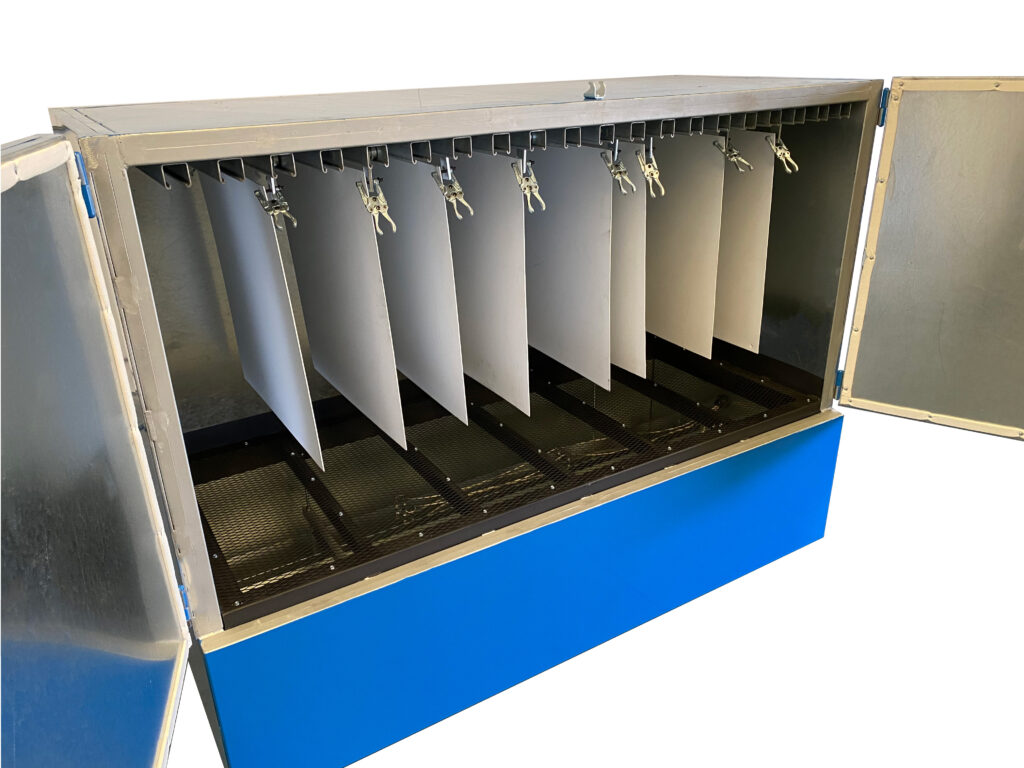
In thermoforming, properly engineered drying ovens are essential for quality and repeatability. Many sheet materials—including ABS, acrylic, and polycarbonate—absorb moisture from the air, and if that moisture isn’t removed, surface defects and bubbles can appear once heat is applied. A well-designed oven provides controlled heating and a stable temperature profile, allowing the sheet to reach its desired temperature evenly before forming. This ensures dimensional stability, uniform wall thickness, and improved surface finish.
When the polymer is conditioned within the proper maximum temperature window, gases are safely vented, and the material relaxes without degradation. The result is an ideal forming surface that minimizes scrap and shortens cycle times. Operators who integrate a large drying oven into their production line often see measurable improvements in throughput and consistency across batches.
What Problems Do Drying Ovens Prevent?
Trapped moisture and uneven heating cause many visible and structural flaws—such as haze, voids, and brittleness. By using a drying oven with balanced airflow and stable heat distribution, manufacturers eliminate these risks. Uniform preheating across the oven chamber ensures each sheet behaves predictably during forming, even in multilayer or filled plastics. Controlled temperature ramp-up prevents thermal stress and extends tool life while improving part yield.
Maintaining oven calibration and monitoring internal sensors regularly helps keep processes consistent, especially when switching between materials. A properly tuned drying cycle not only stabilizes forming results but also protects expensive molds from uneven expansion.
How to Select the Right Drying Oven
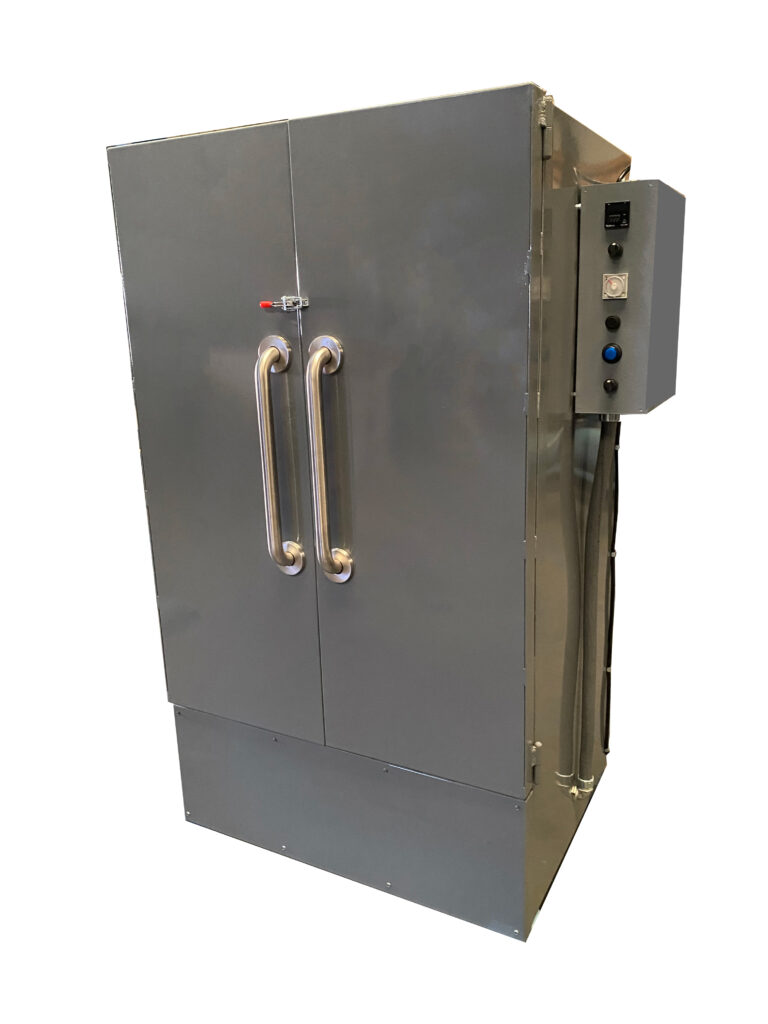
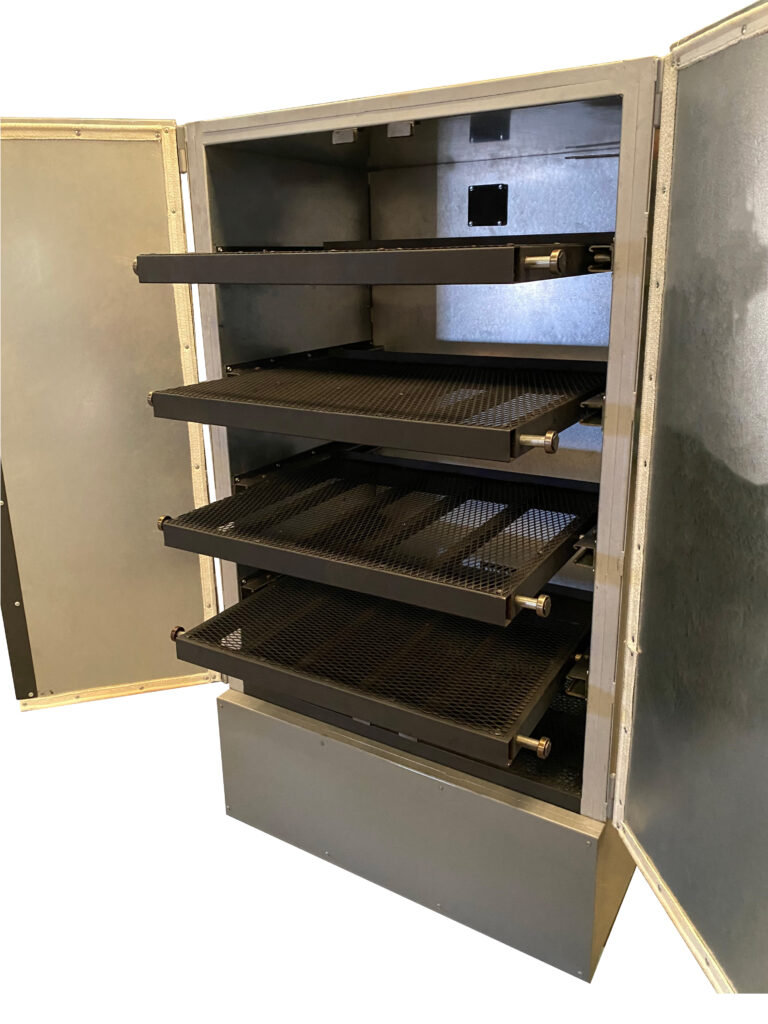
Choosing the right drying oven begins with understanding production volume, sheet size, and temperature needs. Models built for thermoforming are designed to maintain uniform heating through optimized fan circulation, insulation, and digital controls. Look for units that offer excellent temperature uniformity across the entire load and are equipped with programmable controllers for repeatable cycles. Whether your workflow is horizontal or vertical, layout and access must align with operator safety and handling requirements.
Energy-efficient features—like fast ramp rates, improved insulation, and zoned controls—help minimize operating costs. A reliable door seal and automatic element cutoff prevent heat loss during loading, while digital feedback ensures every cycle stays within spec. Modern designs also include network connection points to integrate directly with supervisory systems, improving traceability and maintenance planning.
Cost, Value, and Performance Over Time
Although high-performance drying ovens require upfront investment, their long-term return is significant. Consistent temperature management and faster heating cycles reduce energy use, material waste, and rework. As defects decline, uptime rises, and so does output quality. In most industries, replacing outdated ovens with modern equipment quickly yields a measurable ROI.
Beyond savings, high-quality ovens protect production schedules by reducing unplanned downtime. Systems with remote monitoring and process data capture help teams anticipate maintenance and keep yield steady across shifts.
Common Applications and Industrial Uses
Thermoforming isn’t the only sector that depends on precision drying ovens. These systems appear in aerospace composites, packaging, and electronics manufacturing for stress relief, annealing, or adhesive setting. In chemical and food industries, ovens handle sterilizing or bake-out cycles under closely managed temperature profiles. Their ability to maintain steady heat makes them indispensable for materials that require consistency, safety, and durability.
Because they’re modular and easily designed for specific throughput, ovens fit both small shops and high-volume facilities. Each system’s strength lies in its ability to maintain precise conditions for varied applications without compromising energy efficiency.
Optimizing Performance in a Large Drying Oven
To achieve optimal results, operators should align their drying ovens heating cycle with forming schedules so that sheets are conditioned at the right maximum temperature. Proper cycle timing prevents overbaking and keeps materials within safe limits. Ventilation systems should remove vaporized compounds while retaining heat uniformity. In modern plants, oven data is often logged automatically for performance tracking and quality assurance.
Periodic temperature mapping and calibration ensure accuracy, while real-time monitoring alerts technicians to deviations before they affect part quality. When used correctly, a large drying oven ensures each run meets exact specifications and lowers rework.
Laboratory and Research Applications
Compact drying ovens serve as critical laboratory equipment in R&D environments. They support resin testing, stress-relief annealing, and material analysis on small samples. In laboratory applications, consistent controlled heating and data logging make them ideal for reproducible studies. Research laboratories use these ovens to simulate full-scale conditions on test specimens, fine-tuning production parameters before scaling up.
Beyond plastics, lab-scale ovens assist with die bond curing, sterilizing components, and preparing composite samples. For regulated environments, cleanroom-compatible enclosures ensure contamination control while maintaining stable temperature and airflow. Their versatility bridges early-stage design with real-world production conditions.
Features That Protect Quality and Efficiency
Modern drying ovens integrate high-grade insulation, dual-layer walls, and balanced fan systems that maintain consistent temperature from top to bottom. Programmable controllers and precise sensors provide unmatched repeatability across processes. Doors with positive seals reduce heat loss, while automated interlocks safeguard personnel. For multi-zone horizontal or vertical layouts, temperature uniformity and airflow tuning ensure the material dries evenly.
Systems may include data ports for diagnostics or performance verification, giving engineers full visibility into each action. Combined with robust features and reliable construction, these ovens are designed to perform under demanding industrial and laboratory conditions.
- High-efficiency airflow and insulation reduce energy consumption while maintaining temperature stability.
- Advanced controls improve repeatability and simplify maintenance across multiple applications.
- Safety interlocks and durable construction protect operators and critical equipment.
Integrating Drying Ovens Into Production Processes
Integration is most effective when the drying oven sits close to the forming station, minimizing heat loss and handling time. Linking equipment via data connection allows for automatic logging of cycle data, alarms, and energy metrics. Plants using shared ovens for preheat, annealing, or sterilizing stages can streamline space and reduce downtime. Establishing consistent loading routines and operator checklists ensures uniform drying performance across all shifts.
Ultimately, these ovens are the backbone of thermal processes—balancing performance, safety, and reliability across both manufacturing and laboratory environments.

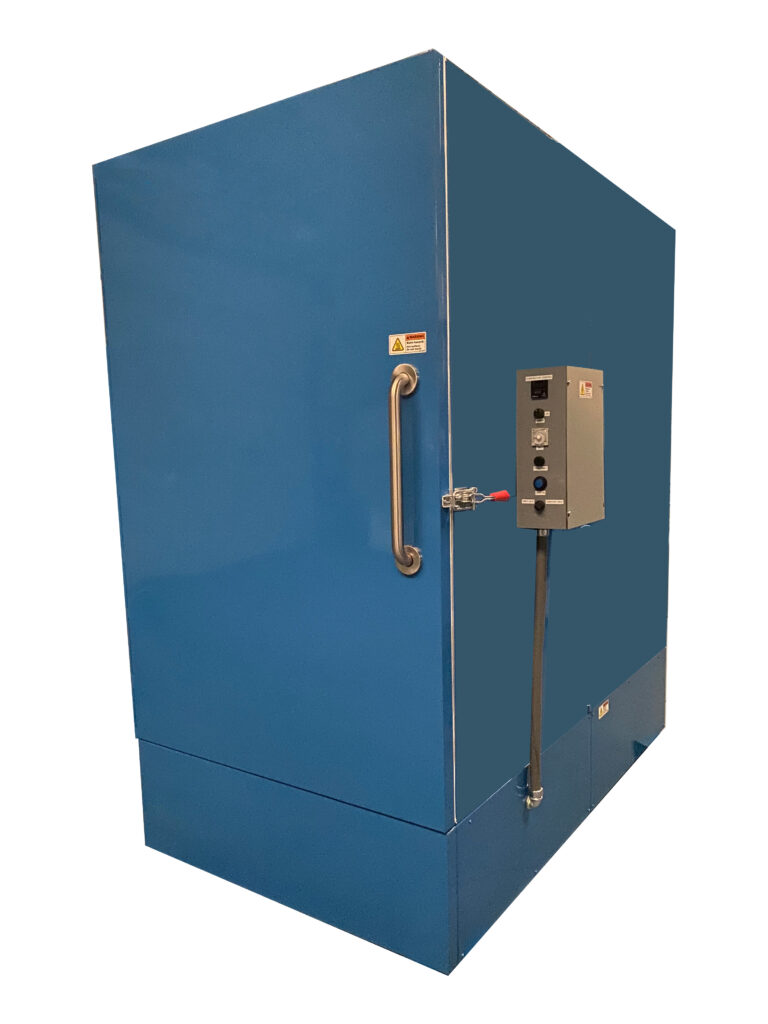
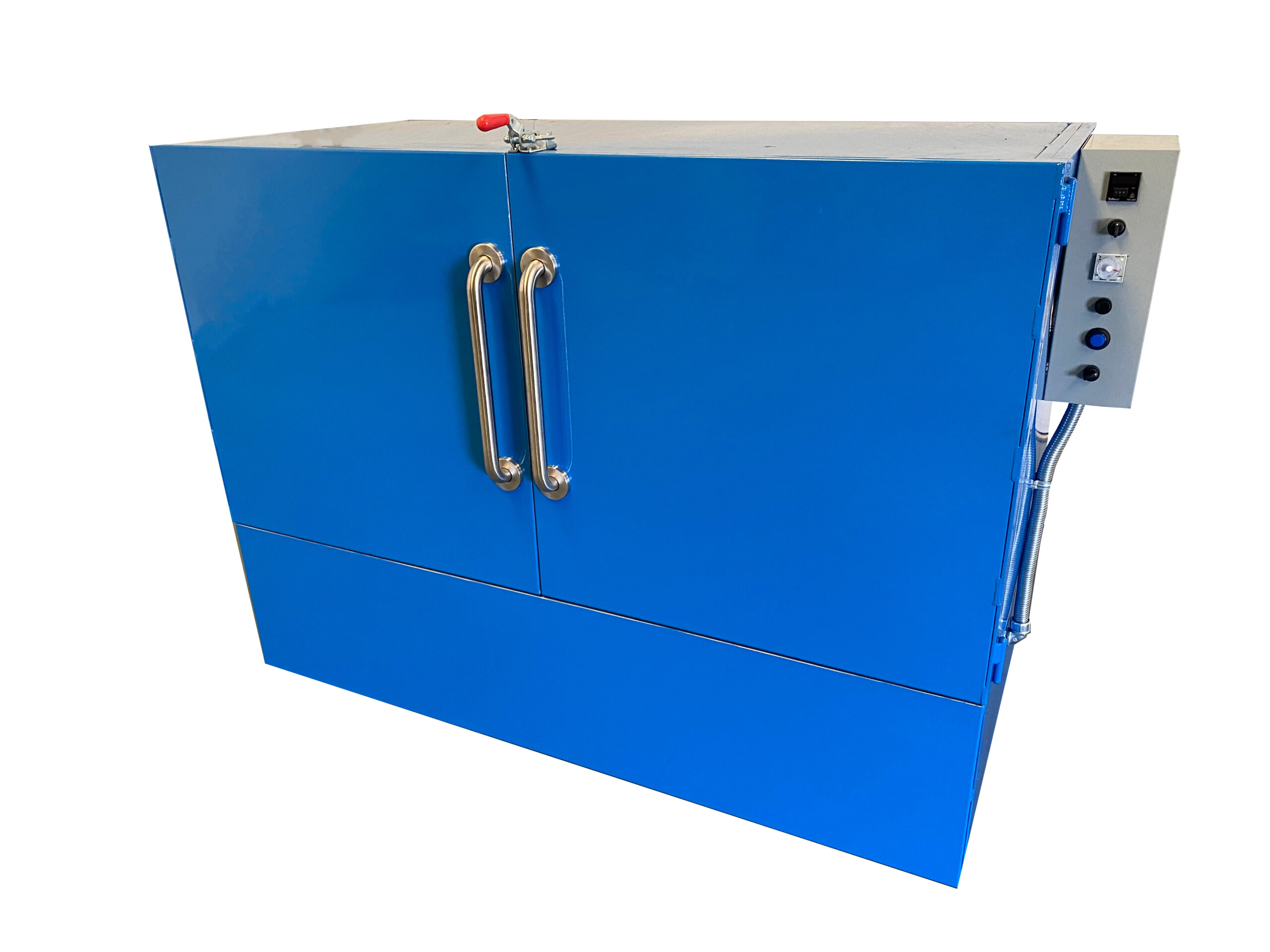 Proper pre-drying of plastics is essential to maintaining product integrity, reducing cycle times, and minimizing defects in the final formed product. Drying ovens not only ensure quality but also help prevent issues such as bubbling, warping, or inconsistent finishes. For best practices on maintaining your drying oven and optimizing performance, check out our article on
industrial drying oven maintenance.
Proper pre-drying of plastics is essential to maintaining product integrity, reducing cycle times, and minimizing defects in the final formed product. Drying ovens not only ensure quality but also help prevent issues such as bubbling, warping, or inconsistent finishes. For best practices on maintaining your drying oven and optimizing performance, check out our article on
industrial drying oven maintenance.