

Acrylic sheets have become a go-to material across industries for their durability, visual clarity, and resistance to impact. From spa shells and skylights to signage and vehicle panels, their adaptability makes them indispensable in high-volume and custom manufacturing. To form these sheets with precision and consistency, manufacturers rely on specialized vacuum forming machines built specifically for acrylic.
These machines must deliver uniform heating, fast cycle times, and stable vacuum pressure, all while supporting diverse sheet sizes and mold designs. Choosing the right equipment plays a direct role in ensuring product quality, production speed, and cost-efficiency in demanding industrial environments.
Understanding Acrylic Vacuum Forming
Acrylic vacuum forming is a thermoforming method that uses vacuum pressure to shape heated acrylic sheets over a mold. This technique is widely used in manufacturing because acrylic is lightweight, weather-resistant, and offers excellent visual clarity. When the material reaches its softening point, it becomes flexible enough to take the shape of the mold, resulting in strong, accurate, and visually appealing parts.
Key Features of Acrylic Sheet Vacuum Forming Machines
While all vacuum forming machines follow a similar concept, equipment optimized for acrylic requires specific design features that enhance performance and product consistency. Below are the core components and technical characteristics that define high-performance machines for acrylic applications.
1. Dual-Zone Heating Technology
Heating acrylic evenly is essential to avoid stress marks, bubbles, or material warping. Dual-zone or multi-zone infrared heating systems allow targeted heat control across the sheet, enabling optimal heat saturation. Precision in temperature management leads to consistent thickness distribution and improved surface finishes on formed parts.
2. Adjustable Clamping Frames
To secure the acrylic sheet during heating and forming, adjustable clamping frames are necessary. They prevent material slippage and deformation, especially when working with varied sheet sizes or gauges. Clamps should be easy to operate and capable of handling both thin and thick acrylic sheets.
3. Powerful and Controlled Vacuum System
Acrylic forming depends on the speed and strength of the vacuum pull. Machines equipped with high-CFM vacuum pumps provide stronger mold adherence and better detail accuracy. The vacuum system should also include a holding capability to maintain suction pressure throughout the cooling phase.
4. Precision Temperature Control
Acrylic softens within a specific temperature range, usually between 290°F and 320°F. Heating beyond this range can cause discoloration, warping, or surface defects. Using a digital temperature control system with integrated programmable logic controllers (PLC) helps operators maintain consistent results. These controls make it easy to set accurate heating profiles based on sheet thickness and part geometry.
5. Sheet Size Flexibility
Different industries require different sheet dimensions. A reliable acrylic vacuum forming machine should accommodate a wide range of sheet sizes, with standard formats such as 24″ x 48″, 48″ x 96″, and even larger custom sizes. Flexible machine platforms provide adaptability for businesses with evolving production needs.
6. Rapid Cycle Time Capabilities
Manufacturers aiming for higher throughput must look for vacuum forming machines designed to minimize cycle times. Efficient heating zones, fast clamping systems, and optimized cooling cycles can significantly boost productivity while maintaining product uniformity.
7. Mold Compatibility and Versatility
Vacuum forming machines should be compatible with a wide range of mold types, including aluminum, resin, and composite materials. This flexibility allows manufacturers to produce everything from shallow signage components to deep-draw spa liners. Quick-change mold systems are especially useful for operations handling short production runs or frequent design changes.
8. Safety and Operator Interface
Industrial settings demand safe equipment. Features such as emergency shut-offs, thermal insulation, and operator shields are critical. Additionally, user-friendly touch-screen panels and interfaces help operators manage complex settings efficiently and reduce the learning curve.
9. Build Quality and Frame Design
Structural integrity is non-negotiable in an industrial setting. Machines must be built with heavy-duty steel frames and corrosion-resistant components to ensure longevity and resistance to the intense heat cycles used in acrylic forming.
10. Energy Efficiency
Energy-efficient heating and vacuum systems can significantly lower operational costs. Look for models with optimized power usage, zoned heaters that reduce waste, and programmable sleep modes when idle.
Applications Across Multiple Industries
Acrylic vacuum forming machines are not limited to a single sector. The machines’ ability to shape detailed, strong, and visually appealing parts makes them ideal for several markets:
- Signage and Displays: Used for illuminated signs, display cases, and brand fixtures.
- Spas and Hot Tubs: Formed acrylic liners offer strength, color options, and comfort.
- Skylights and Domes: Acrylic sheets provide weather resistance and light diffusion properties.
- Automotive: Interior trim and dashboard components can be made from vacuum-formed acrylic.
- Boat and RV Manufacturing: Used in windows, panels, and compartment components.
Choosing The Right Acrylic Vacuum Forming Machine Suppliers
Finding dependable acrylic vacuum forming machine suppliers is vital for consistent production output. Buyers should evaluate suppliers based on product range, service support, customization capabilities, and experience in handling acrylic materials. Look for partners who offer pre-sale consultation and post-sale support, including operator training and parts availability.
Reputable suppliers will also provide insight into machine integration within existing manufacturing lines. Whether a small business or a large-scale manufacturer, aligning with a knowledgeable supplier ensures smoother transitions, minimized downtime, and scalable growth potential.
Importance of Pre-Drying Acrylic Sheets
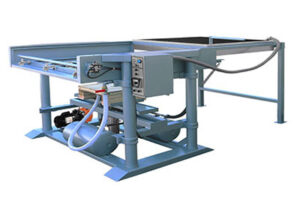
Before forming, dry acrylic sheets are recommended to eliminate moisture content. Moisture can create bubbles or haze during forming. High-performance drying ovens engineered for uniform heat distribution can eliminate surface defects and improve bonding consistency in formed parts. Integrating a dedicated drying system with your forming line helps maintain quality control, especially in high-volume runs.
Automation Trends in Acrylic Forming
Automation has become a major focus among industrial manufacturers seeking increased consistency and reduced labor costs. Automated sheet-fed and roll-fed machines, programmable vacuum settings, and preloaded forming profiles are now standard offerings among leading machine builders. Integration with modern PLC and SCADA systems enables real-time monitoring and remote diagnostics, boosting uptime and production oversight.
Considerations for Customization and Expansion
As demand grows or product lines expand, businesses need machines that can evolve. Modular systems that support add-ons like pressure forming upgrades, plug-assist tooling, or dual-station setups provide excellent scalability. Acrylic vacuum forming machine suppliers who offer custom-built systems can match your specific operational needs and minimize overinvestment in unused features.
Supporting Long-Term Reliability and Maintenance
Long-term success with vacuum forming depends on maintenance, support, and machine durability. Well-built machines should have easily replaceable parts, self-diagnostic capabilities, and remote support access. Routine servicing ensures consistent heating, vacuum pressure, and forming accuracy over time. Partnering with a manufacturer that offers service packages or engineering consultation is a smart business move.
Why Partner with Belovac
Belovac LLC is a U.S. manufacturer with over three decades of experience in building high-performance vacuum forming machines and drying ovens. Every system is designed, engineered, and assembled in the USA to deliver lasting value for industrial production environments. From short-run custom forming to large-scale manufacturing, Belovac offers reliable solutions that align with real-world production goals.
Key advantages of working with Belovac include:
- Custom-Built Systems: Machines tailored to your specific sheet sizes, materials, and production requirements.
- Flexible Product Lines: Budget-friendly BV C-Class, manual E-Class, and fully automated BV A-Class models.
- Industry Expertise: Serving signage, spas, skylights, RVs, automotive, and more.
- Precision and Efficiency: Dual-zone heating, programmable control systems, and fast cycle times.
- Engineering Support: Ongoing technical guidance, training, and service from experienced U.S.-based engineers.
Custom Machine Sizing for Large Acrylic Sheets
Manufacturers needing equipment sized beyond standard sheet dimensions can review Belovac’s custom large format vacuum forming machines, built to accommodate oversized acrylic sheets and unique mold configurations.
Why Choose Belovac’s Custom Vacuum Forming Machines
With over 30 years of experience, vacuum forming machine manufacturer Belovac delivers high-performance machines used in Aerospace Components. Their dedication to customization and exceptional customer service makes them a leader in the industry.
If you’re looking for a dependable acrylic vacuum forming machine supplier that can deliver performance, scalability, and long-term support, contact us today to speak with our team and request a custom quote.
