
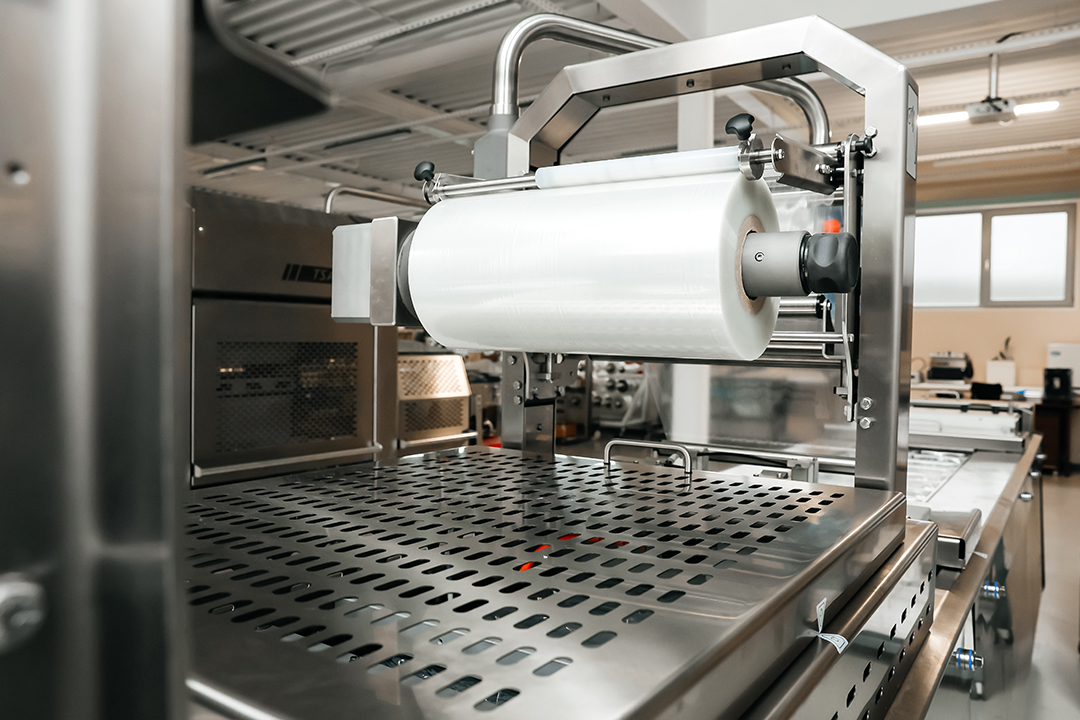
Automatic vacuum thermoforming machines have become a critical asset in modern manufacturing, particularly in food processing, consumer goods, medical packaging, and industrial applications. These machines streamline the vacuum forming process, combining high-speed automation technologies with touch screen interfaces, predictive maintenance features, and modular design. As demand for sustainable, high-quality packaging continues to rise globally, industries are turning to advanced thermoforming equipment to remain competitive and cost-effective.
Automatic Vacuum Thermoforming Machine
An automatic vacuum thermoforming machine is engineered to mold heated plastic sheets over custom molds using vacuum pressure. Unlike manual or semi-automatic versions, automatic units perform heating, forming, trimming, and unloading operations in a fully integrated system. This not only reduces operational costs but also improves product quality and consistency across production cycles.
These machines support a wide range of materials, including biodegradable plastics, making them adaptable for food packaging and pharmaceutical industries where hygiene, durability, and environmental considerations are vital. Advanced models often include PLC controls, servo-driven movements, and safety enclosures, contributing to enhanced efficiency and workplace safety.
Market Growth Trends
The global vacuum packing machines market, which includes automatic thermoforming vacuum machines, was valued at approximately USD 4.9 billion in 2024. It is projected to grow at a compound annual growth rate of about 5.1 percent through 2034, reaching nearly USD 8 billion by the end of the forecast period.
This growth is largely driven by the rising demand for hygienic and shelf-stable packaging in the food industry. Manufacturers are increasingly adopting vacuum sealing solutions for meat, dairy, seafood, and ready-to-eat meals to reduce spoilage and extend product shelf life. Food safety regulations and changing consumer habits continue to accelerate this trend.
In addition to food packaging, the pharmaceutical, medical, electronics, and automotive sectors are contributing to the increased adoption of automatic thermoforming vacuum machines. These industries benefit from the machines’ ability to produce durable, protective, and tamper-evident packaging.
Advanced automation technologies, including PLC-based controls and touch screen systems, allow manufacturers to optimize throughput and maintain consistency. These features support faster changeovers and reduce production downtime, which are key to improving operational efficiency and lowering total manufacturing costs.
The Asia-Pacific region remains the fastest-growing market due to rapid industrialization, population growth, and the expansion of the pre-packaged food and healthcare sectors. Western Europe and North America also continue to invest in modern packaging equipment to meet regulatory and sustainability goals.
Food Packaging
Automatic continuous thermoforming vacuum packaging machines are widely used in the food industry due to their ability to extend shelf life and maintain freshness. The vacuum forming process ensures tight, hygienic seals that reduce contamination risks while preserving taste and texture. These systems are particularly effective in packaging cheese, poultry, seafood, and processed meats.
Additionally, automatic thermoforming systems improve traceability and reduce labor requirements in food processing facilities. Vacuum forming machines equipped with smart sensors and temperature controls allow for precise regulation of plastic films, supporting both rigid and flexible packaging formats.
Automatic Thermoforming
Automatic thermoforming systems differ from traditional equipment by offering higher speed, consistency, and customization. Roll-fed and sheet-fed options are available depending on production needs. Roll-fed models are ideal for continuous, high-output packaging, whereas sheet-fed machines offer greater flexibility for low to medium-volume runs.
Fully automatic vacuum forming machines deliver:
- Faster cycle times and higher throughput
- Reduced operational costs via automated workflows
- Consistent product quality through digital control systems
- Lower material waste and improved sustainability metrics
These capabilities make them ideal for demanding industrial applications and short-run custom production alike. Innovations such as predictive maintenance and remote diagnostics further minimize downtime and extend equipment life.
Market Share Insights
North America held approximately 34 percent of the global vacuum packing machines market in 2024, led by strong demand in the United States. Europe followed with a share of around 29 percent, while Asia-Pacific accounted for 28 percent. Emerging markets in the Middle East, Latin America, and Eastern Europe are also showing steady growth due to infrastructure development and increased food safety awareness.
Leading companies in this space include MULTIVAC, ULMA Packaging, Henkelman, Reiser, and Formech Inc. These manufacturers are focusing on strategic partnerships, automation innovation, and energy efficiency to maintain competitive market positioning.
Companies such as Jaw Feng Machinery have also expanded their global presence through diversified product lines and localized service capabilities. Smaller regional players are gaining traction by offering customized solutions that cater to specific industry needs, especially in developing regions.
Although high initial investment costs remain a barrier for some businesses, the long-term benefits of adopting automatic vacuum thermoforming machines are widely recognized. These benefits include lower labor expenses, consistent product quality, reduced material waste, and higher equipment uptime. As automation becomes more accessible, the market is expected to attract a broader base of manufacturers seeking cost-effective and scalable solutions.
Roll Fed and Semi Automatic Systems
Roll-fed automatic vacuum forming machines are essential for high-speed, high-volume operations. These machines unroll plastic film continuously into the forming station, allowing seamless integration with cutting and stacking units. They are often used in food processing environments, where speed and hygiene are top priorities.
Semi-automatic vacuum forming machines, on the other hand, serve as an intermediate solution. They require some manual input, typically in loading/unloading materials or adjusting cycle settings. These are ideal for companies transitioning from manual operations or serving niche markets with custom requirements.
Both systems support different levels of investment and production flexibility, making them versatile solutions across key segments like packaging, automotive, and electronics.
Application Segment Overview
The automatic thermoforming vacuum machine market serves a wide range of industries, including:
| Industry | Applications |
| Food Processing | Vacuum-sealed trays, portion packs, and meat packaging |
| Pharmaceutical | Blister packs, sterile sealing, and medical tray forming |
| Automotive | Interior panels, dashboards, and protective housings |
| Electronics | Display packaging, anti-static containers, and covers |
| Consumer Goods | Clamshell packaging, retail trays, and blister packs |
Each application segment demands a unique combination of forming depth, material thickness, and machine format. The flexibility and modularity of automatic vacuum forming machines enable manufacturers to meet varying demands efficiently.
Fully Automatic Systems and Long-Term Value
Fully automatic vacuum forming systems, such as those equipped with auto sheet feed and roll feed capabilities, are designed for uninterrupted operation. These machines reduce the need for manual oversight, improving safety and optimizing labor costs. Advanced models offer zoned heating, temperature profiling, and servo-driven actuation to meet tight tolerances and complex form requirements.
Over the long term, businesses investing in fully automatic systems benefit from faster ROI, increased capacity, and lower cost per unit. Features such as programmable touch screens, remote monitoring, and system diagnostics help prevent costly errors and enable data-driven improvements in production.
These systems are particularly suitable for companies prioritizing high volume, high quality, and sustainability in their packaging operations. The compatibility with biodegradable plastics further aligns with global trends toward eco-friendly packaging solutions.
Custom Vacuum Forming Solutions from Belovac
Belovac LLC designs and manufactures a full range of vacuum forming and thermoforming machines, from entry-level units to fully automatic systems engineered for continuous, high-volume production. With over 30 years of expertise, Belovac serves diverse industries including spa manufacturing, signage, RV components, food processing, and automotive plastics.
Belovac machines are:
- Made in the USA with a focus on durability, precision, and long-term value.
- Available in sheet-fed, roll-fed, and large-format configurations.
- Budget-friendly models for short-run production and R&D applications.
- Fully automatic lines with PLC control, servo drives, and touch screen operation.
- Industrial drying ovens that remove moisture before forming for higher part quality.
- Custom sizes and configurations available to match specific production goals.
Belovac equipment is built to reduce operational costs while maintaining consistent, high-quality output across a wide range of materials and applications.
Contact our engineers today to learn more about our automatic vacuum thermoforming machines or to request a customized quote.