
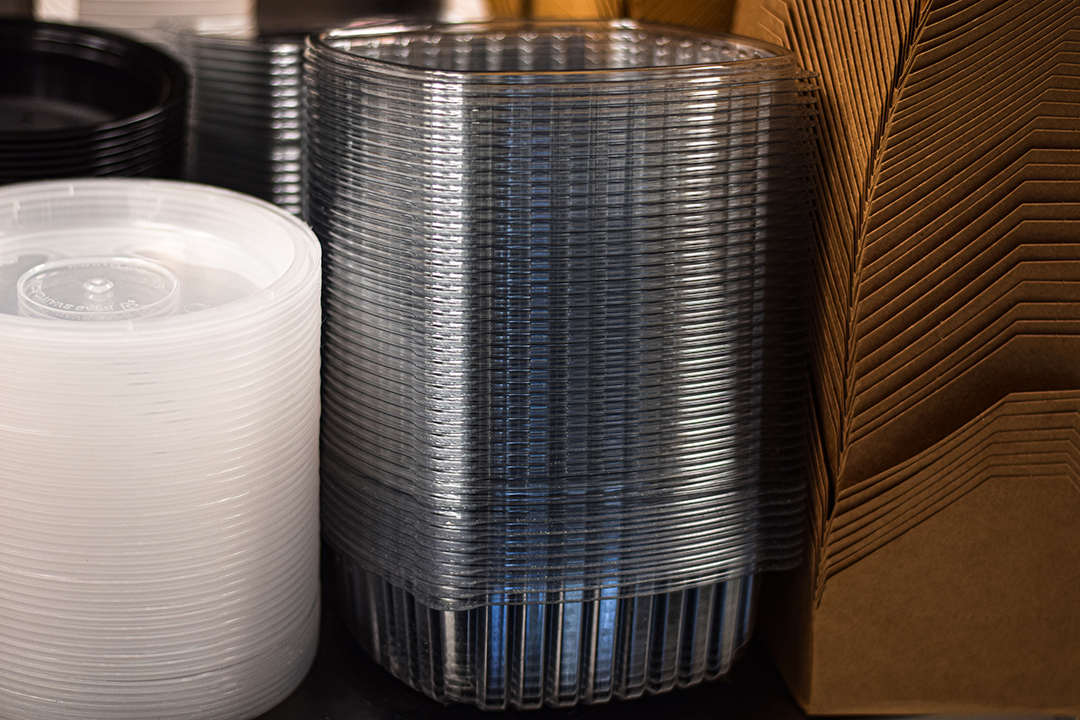
Starting a thermoforming company is an ambitious but achievable path for entrepreneurs interested in manufacturing. Thermoforming — the process of heating plastic sheets and shaping them over molds — powers a wide range of industries, from medical packaging and food containers to automotive parts and consumer products. With relatively lower tooling costs than injection molding, thermoforming is particularly attractive for companies targeting prototyping, low-to-medium production volumes, or specialized products.
This blueprint provides an end-to-end guide for building a thermoforming business. It explores startup costs, facility planning, equipment, molds, software, workforce development, compliance, financing, marketing, ROI, and future growth opportunities. By following this roadmap, entrepreneurs can create a sustainable business model that balances technical capability with financial strategy.
Why Start a Thermoforming Business?
Global demand for thermoformed products continues to rise, driven by packaging, healthcare, and automotive industries. Packaging accounts for the majority of thermoformed plastic demand, especially in food service and medical applications. Meanwhile, consumer expectations for sustainable and customizable packaging are driving innovation, creating opportunities for smaller manufacturers to compete with large-scale producers.
Compared to injection molding, thermoforming offers lower upfront costs, faster mold production, and greater flexibility in handling prototypes or smaller production runs. This makes it ideal for startups seeking to enter the plastics industry without committing to multimillion-dollar equipment investments.
What Are the Initial Costs of Starting a Thermoforming Company?
Launching a thermoforming company requires both capital investment and operating expense planning. Costs will vary depending on scale, target industries, and location.
Capital Investment
The largest upfront costs involve machinery, molds, and facility preparation. Thermoforming machines range from entry-level manual systems to fully automated industrial lines. Additional capital costs include CNC trimming equipment, compressors, and mold-making tools. Facility build-out, electrical upgrades, and safety systems should also be factored in.
Operating Costs
Ongoing costs include raw plastic sheets, energy consumption, labor, maintenance, packaging, and waste disposal. Energy is a significant cost driver since thermoforming machines require consistent heating and vacuum systems. Labor costs depend on workforce size and skill levels, especially if CNC trimming and finishing are involved.
Compliance and Certification Costs
If serving regulated industries like medical devices or food packaging, companies must budget for FDA compliance, ISO certifications, and third-party audits. These costs can be substantial but are necessary for market entry.
| Category | Small-Scale Startup | Medium-Scale Operation | Large Industrial Facility |
|---|---|---|---|
| Thermoforming Machines | $50,000 – $150,000 | $250,000 – $750,000 | $1M+ |
| CNC Trimming Equipment | $40,000 – $80,000 | $150,000 – $300,000 | $500,000+ |
| Molds and Tooling | $10,000 – $50,000 | $100,000 – $250,000 | $500,000+ |
| Facility Preparation | $20,000 – $50,000 | $100,000 – $300,000 | $500,000+ |
| Compliance & Certifications | $10,000 – $25,000 | $50,000 – $100,000 | $250,000+ |
| Total Estimated Startup | $150,000 – $350,000 | $650,000 – $1.7M | $2.5M+ |
How Much Facility Space Do You Need for Thermoforming?
Facility requirements depend on business scale. A small shop focusing on prototyping or niche packaging may operate in 2,000–5,000 sq. ft., while a full-scale production facility could require 50,000 sq. ft. or more.
The layout must accommodate raw material storage, thermoforming equipment, CNC trimming, hand finishing, packaging, and warehousing. Efficient workflow reduces downtime and waste while ensuring worker safety.
Small vs. Large Operations
Smaller operations may operate in leased industrial spaces, but larger facilities require purpose-built layouts with loading docks, overhead cranes, and energy-efficient HVAC systems. Cleanroom space may be necessary for medical packaging compliance.
| Operation Size | Square Footage | Typical Applications |
|---|---|---|
| Small | 2,000 – 5,000 sq. ft. | Prototyping, niche packaging |
| Medium | 10,000 – 25,000 sq. ft. | Medical trays, consumer packaging |
| Large | 50,000+ sq. ft. | Automotive, aerospace, mass production |
Which Equipment Is Essential for a Thermoforming Business?
Equipment selection is one of the most critical decisions in launching a thermoforming company. Machines must align with production volume, material types, and end-use industries.
Thermoforming Machines
Options include manual, semi-automatic, and fully automatic systems. Manual machines are cost-effective for small runs but labor intensive. Automatic machines support high volumes with minimal operator input, making them essential for large-scale packaging or automotive applications.
Supporting Equipment
CNC routers trim thermoformed parts to final specifications. Other essentials include air compressors, chillers, mold-making tools, and vacuum pumps. Trimming stations and robotic arms can further improve accuracy and efficiency.
Finishing and Quality Control Tools
Inspection stations, leak testers, and surface finishing equipment ensure parts meet quality standards. For medical or aerospace industries, nondestructive testing methods may be required.
| Equipment | Purpose | Cost Range |
|---|---|---|
| Thermoforming Machine | Forms heated plastic into molds | $50,000 – $1M+ |
| CNC Router | Trims formed parts | $40,000 – $500,000 |
| Molds | Shapes the final product | $10,000 – $500,000+ |
| Chillers & Compressors | Temperature and vacuum control | $10,000 – $100,000 |
| Quality Control Equipment | Ensures compliance and accuracy | $5,000 – $50,000 |
How Do You Create and Maintain Thermoforming Molds?
Molds are the foundation of thermoforming. Their quality determines part accuracy, durability, and cycle efficiency. Options include aluminum, wood, epoxy, and 3D-printed molds.
Aluminum molds are the most durable and precise but also the most expensive. Wood or epoxy molds are cost-effective for prototyping but wear out quickly in production. Increasingly, 3D printing is used for rapid prototyping and short runs.
Outsourcing molds is common for startups, but in-house capabilities offer more control and faster iteration. Maintenance includes cleaning, refinishing, and ensuring consistent temperature control during production.
What Role Does Software Play in Thermoforming Operations?
Software is essential for design, simulation, and production management.
CAD/CAM Design
Programs like SolidWorks, AutoCAD, or Fusion 360 are used to design molds and simulate thermoforming processes. Digital prototyping reduces trial-and-error and saves material costs.
CNC Programming
CNC routers require specialized programming to ensure accurate trimming. CAM software translates CAD designs into tool paths for machines.
ERP/MES Systems
Enterprise resource planning (ERP) and manufacturing execution systems (MES) help track inventory, manage scheduling, and integrate with quality systems — vital for scaling operations.
How Do You Build the Right Workforce for Thermoforming?
Workforce planning is crucial to balance automation with skilled labor. Roles typically include machine operators, mold designers, quality assurance specialists, maintenance staff, and supervisors.
Training Requirements
Employees must be trained in machine safety, CAD/CAM design, CNC operation, and compliance protocols. Certifications in OSHA safety standards or ISO 9001 processes can improve credibility with clients.
Balancing Automation and Labor
Automation reduces headcount but increases capital costs. Many companies adopt a hybrid approach — automated forming machines with human oversight and hand-finishing where required.
Which Regulations and Compliance Rules Must You Follow?
Compliance is non-negotiable. Depending on target industries, regulations may include:
- OSHA: Workplace safety rules.
- FDA: For medical packaging and food-contact products.
- ISO 11607: Sterile packaging standards for medical devices.
- ISO 9001: Quality management systems certification.
- Environmental Regulations: Local rules for plastic waste, recycling, and emissions.
Budget for audits, testing, and certification renewals. These not only ensure compliance but also serve as selling points for clients.
How Can You Finance a Thermoforming Startup?
Financing options depend on capital requirements and risk appetite. Self-funding and bank loans are common, but equipment leasing can reduce upfront costs. Investors may be interested if you can demonstrate growth potential in niche industries such as medical packaging or sustainable plastics.
Grants and Incentives
In many regions, government grants support manufacturing innovation, clean energy, or recycling initiatives. Startups should explore local programs that offset capital investment.
What Are the ROI Expectations for a Thermoforming Company?
Profitability depends on scale, efficiency, and industry focus. Margins in medical packaging are higher than in commodity food packaging but require heavier compliance investments.
| Company Size | Startup Costs | Annual Revenue Potential | Break-Even Timeline |
|---|---|---|---|
| Small | $150,000 – $350,000 | $500,000 – $1M | 1–2 years |
| Medium | $650,000 – $1.7M | $2M – $5M | 2–3 years |
| Large | $2.5M+ | $10M+ | 3–5 years |
How Should You Market and Sell Thermoforming Services?
Marketing strategies should focus on B2B outreach. Target industries include food service, healthcare, automotive, electronics, and aerospace.
- Search engine optimization (SEO) for thermoforming-related keywords.
- Trade shows and industry events.
- Partnerships with distributors and OEMs.
- LinkedIn campaigns and technical content marketing.
Building long-term contracts with OEMs is key for stability. Demonstrating compliance certifications and quality records can be major differentiators.
What Expansion Opportunities Exist for Thermoforming Businesses?
Once established, thermoforming companies can expand into related areas:
- Pressure Forming: Higher detail and aesthetics for consumer products.
- Twin-Sheet Forming: Strong, hollow parts for automotive and aerospace.
- CNC Machining: Add-on services for post-processing and mold-making.
- Sustainable Packaging: Growing demand for recyclable and bio-based solutions.
What Does the Future Hold for Thermoforming Startups?
The thermoforming industry is poised for growth, driven by sustainability demands, healthcare expansion, and global packaging needs. Expect greater integration of recyclable plastics, automation, and digital tracking in production systems. Companies that adopt sustainable practices early will gain competitive advantages in both regulatory compliance and customer preference.
For entrepreneurs, thermoforming offers an accessible entry point into manufacturing with scalable growth potential. By carefully balancing equipment investment, compliance, and strategic marketing, new businesses can carve out a profitable niche in this expanding industry.