
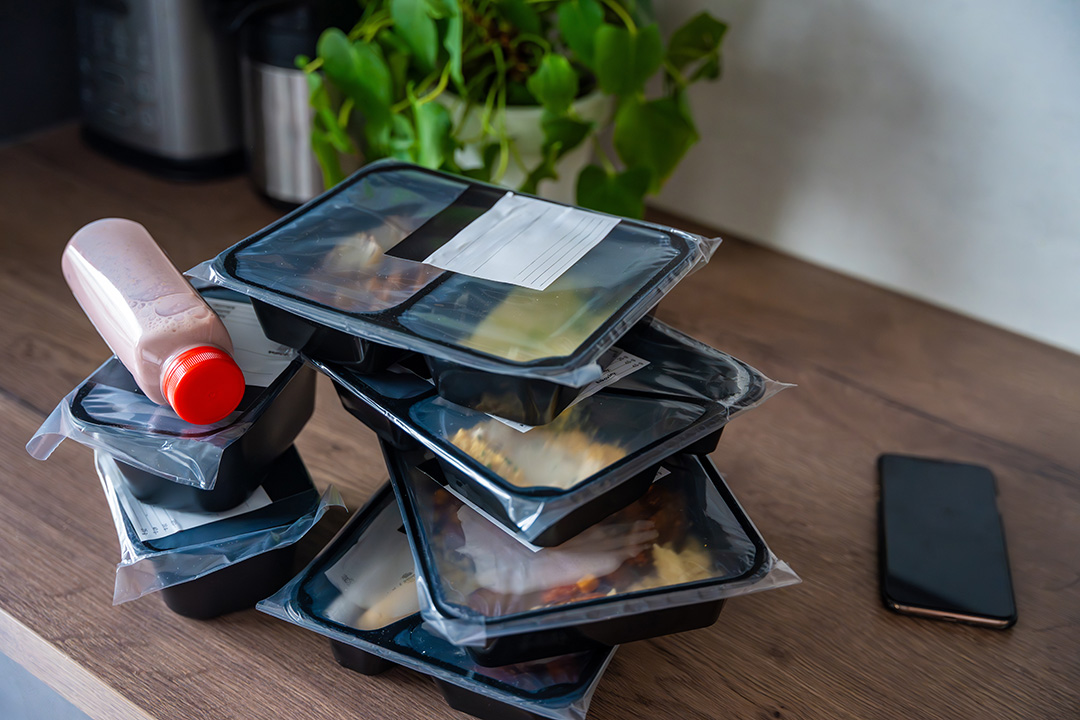
Packaging plays a vital role in preserving freshness, maintaining hygiene, and influencing how consumers perceive a product. As technology advances, manufacturers are adopting vacuum forming food packaging as a modern and efficient solution. By using controlled heating and vacuum pressure, this method produces lightweight, durable, and cost-effective plastic packaging that can be precisely shaped to protect and display food products effectively. Companies using packaging thermoforming equipment can achieve greater design flexibility, faster production times, and higher consistency in every cycle.
Understanding Vacuum Forming in Food Packaging
Vacuum forming, a subset of thermoforming, involves heating a plastic sheet until it becomes pliable, then pulling it tightly over a mold using vacuum pressure. Once cooled, the material retains the exact shape of the mold, resulting in custom packaging that can be stacked, sealed, and filled efficiently. This process is especially useful for producing trays, clamshells, lids, and containers for perishable or ready-to-eat products.
As explained by the Plastics Industry Association, modern packaging thermoforming techniques prioritize precision, repeatability, and reduced material waste. By adjusting mold geometry and sheet thickness, manufacturers can optimize packaging to meet exact food-grade requirements while minimizing production costs.
Why Vacuum Forming is Ideal for Food Packaging
Vacuum forming offers distinct advantages that make it an attractive choice for packaging operations across food manufacturing, retail, and distribution. These benefits include:
- Design Flexibility: Easily produce customized container shapes, patterns, and branding details without the need for expensive tooling modifications.
- Lightweight Efficiency: Creates thinner yet durable packaging that reduces shipping weight and environmental impact.
- Food Safety Compliance: Supports FDA-approved materials like PET, PVC, and polystyrene that meet hygiene standards for direct food contact.
- Scalability: Ideal for both short production runs and mass manufacturing with rapid changeovers.
- Cost Control: Lower tooling and setup costs compared to injection molding while maintaining strong performance characteristics.
These strengths make vacuum forming a versatile process that supports packaging innovation without compromising safety or performance.
Key Materials Used in Food Packaging Thermoforming
Material selection determines how a package behaves under heat, stress, and handling. Commonly used plastics in food packaging vacuum forming include:
| Material | Typical Application | Key Benefits |
| PET (Polyethylene Terephthalate) | Salad containers, bakery boxes, beverage cups | Strong, transparent, and recyclable |
| HIPS (High Impact Polystyrene) | Yogurt cups, deli trays | High rigidity and impact resistance |
| PP (Polypropylene) | Microwave-safe food trays | Heat-resistant and recyclable |
| PVC (Polyvinyl Chloride) | Cold food containers and lids | Excellent clarity and formability |
| ABS (Acrylonitrile Butadiene Styrene) | Reusable containers and industrial food packaging | Durable and chemical-resistant |
Each plastic type presents unique advantages depending on the food’s storage needs, processing temperature, and shelf life. Aligning the right polymer with packaging design ensures compliance with safety regulations from the U.S. Food and Drug Administration.
Custom Design and Branding Opportunities
Beyond protection, packaging is a powerful marketing tool. Vacuum forming allows food producers to integrate embossed logos, textured surfaces, and ergonomic designs directly into their packaging. This enhances product visibility on shelves while improving consumer convenience.
Because the molds used in vacuum forming are simpler to modify than those in injection molding, brands can quickly adjust to seasonal trends, new product sizes, or private-label variations. This flexibility supports smaller production runs without the high retooling costs typical of alternative processes.
Improving Efficiency and Sustainability
Energy efficiency and material optimization are central to modern food packaging thermoforming. Vacuum forming machines equipped with precise heating zones and temperature control can significantly reduce waste while maintaining tight tolerances. Automated trimming systems further enhance yield by maximizing sheet utilization.
According to EPA research on sustainable packaging, reducing material thickness and using recyclable polymers are two of the most effective ways to lower a product’s environmental footprint. Vacuum forming enables this by using thinner sheets that retain the strength needed for transport and storage.
- Reduced scrap rates through optimized sheet heating and forming cycles
- Lower energy consumption with zoned infrared heating elements
- Compatibility with recyclable and biodegradable materials
- Reusability of molds and tooling for multiple product lines
This combination of precision and sustainability aligns with industry trends toward eco-conscious packaging solutions.
Applications in the Food Industry
Vacuum forming serves a wide range of food packaging needs across production scales and product categories. Some common uses include:
- Meal prep trays for ready-to-eat or frozen meals
- Snack and confectionery blister packs
- Bakery and produce clamshells
- Deli and catering containers
- Beverage and condiment inserts
Manufacturers that require precision molds for these products often use large-format vacuum forming equipment. Systems with automated control interfaces and dual-station setups help reduce operator workload while maintaining consistency across shifts.
Ensuring Food Safety and Regulatory Compliance
Every food-grade packaging system must meet strict hygiene and traceability standards. Vacuum forming supports compliance with food contact material regulations established by agencies such as the FDA and the ISO 22000 food safety framework. Key requirements include:
- Use of certified food-safe polymers and coatings
- Controlled heating and cooling cycles to prevent contamination
- Traceable material batches with documented testing records
- Easy-to-clean molds and components to maintain sanitary production environments
Manufacturers using advanced vacuum forming systems benefit from programmable logic control (PLC) interfaces that automatically monitor heating profiles and forming pressure. This reduces operator error and ensures consistent, compliant output throughout production.
Partnering with Belovac for Custom Packaging Solutions
Creating reliable, cost-efficient, and food-safe packaging begins with choosing the right equipment and process design. Belovac’s decades of experience in vacuum forming technology help food packaging manufacturers achieve superior quality, faster production, and reduced material waste. Belovac offers:
- A comprehensive selection of vacuum forming and thermoforming machines for food packaging
- Custom mold development and material testing support
- Energy-efficient PLC-controlled systems with precise heat zoning
- Solutions tailored to short-run, prototype, and high-volume applications
Belovac’s commitment to innovation and reliability enables packaging professionals to streamline production while meeting the strictest food safety and environmental standards. Contact us today to explore how advanced vacuum forming systems can elevate packaging operations.