
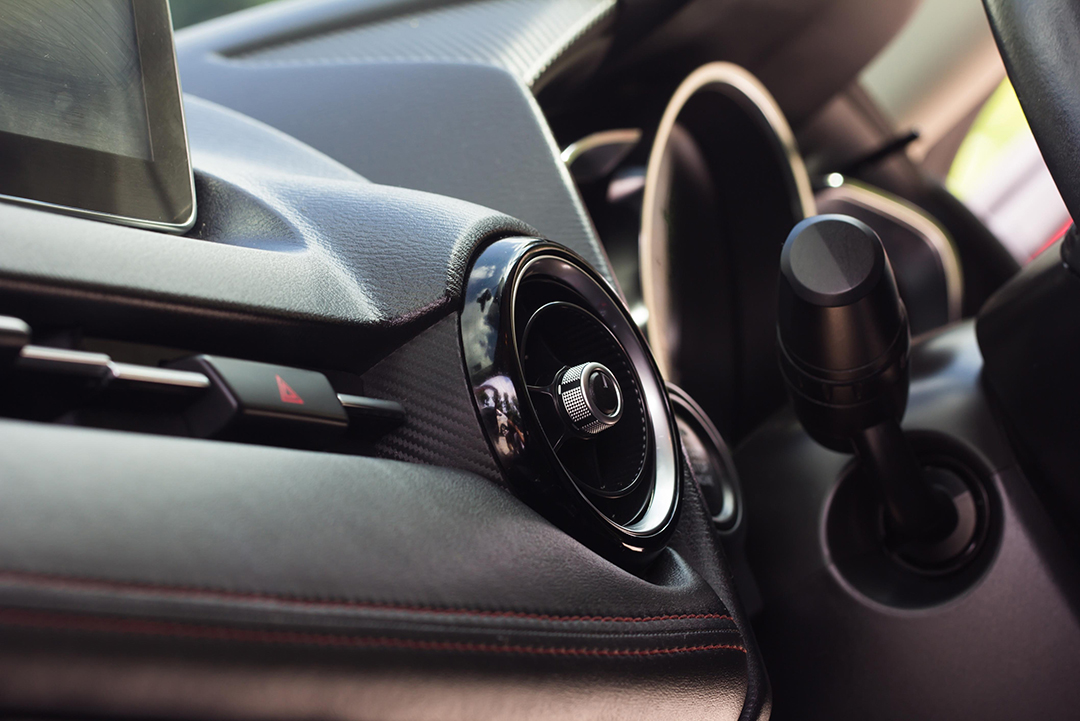
Automotive manufacturing continues to evolve with lighter materials, faster production cycles, and sustainable design goals. Thermoforming—particularly vacuum forming—has become an essential process for producing durable plastic components that meet these modern demands. From interior panels to under-hood covers, vacuum forming provides an adaptable method that helps manufacturers maintain precision, reduce tooling expenses, and accelerate development cycles.
Understanding Automotive Thermoforming
Thermoforming involves heating a plastic sheet until it becomes pliable, then shaping it over a mold to create a specific component. In vacuum forming, suction draws the sheet tightly onto the mold surface, capturing fine details and structural contours. Once cooled, the part maintains its shape with excellent dimensional accuracy and repeatability.
This process is widely used to produce both decorative and functional parts such as dashboards, door trims, consoles, and protective covers. Automotive suppliers value vacuum forming because it allows quick design adjustments and cost-effective prototyping—key factors in competitive vehicle production cycles. For a closer look at the technology, manufacturers can explore vacuum forming machine options suited for industrial applications.
Advantages of Vacuum Forming in Automotive Production
Compared with injection molding or compression molding, vacuum forming offers significant benefits in speed, material versatility, and tooling cost. These advantages include:
- Lightweight construction: Ideal for producing panels, liners, and shrouds that meet strict fuel-efficiency targets.
- Reduced tooling investment: Molds are simpler and faster to manufacture, supporting shorter production runs or frequent updates.
- Design flexibility: Complex curves and surface textures can be achieved without compromising structural integrity.
- Faster turnaround: Thermoformed parts move quickly from concept to finished component, ideal for model refreshes and prototype programs.
- Material diversity: Works with ABS, HDPE, acrylic, and composite sheets depending on impact resistance and thermal performance needs.
These attributes make automotive vacuum forming an efficient solution for both large-format body components and smaller custom assemblies.
Common Automotive Components Produced by Vacuum Forming
Vacuum forming plays a role in nearly every area of the vehicle—from aesthetics to performance. Typical applications within the automotive sector include:
- Instrument panel skins and fascia panels
- Door and pillar trims
- Wheel-arch liners and splash guards
- Engine bay covers and under-hood insulation shells
- Seat backs and interior consoles
- Trunk liners, spare-tire wells, and storage trays
Manufacturers requiring precision and repeatability for these parts often rely on large-format thermoforming machines equipped with PLC control and dual-station designs. These systems allow continuous cycles and improved heating accuracy for thick-gauge automotive materials.
Material Considerations in Automotive Thermoforming
Selecting the right thermoplastic ensures that formed parts meet both performance and aesthetic standards. Commonly used materials include:
- ABS (Acrylonitrile Butadiene Styrene): High impact resistance, often used in dashboards and interior panels.
- HDPE (High-Density Polyethylene): Excellent chemical resistance and durability for under-hood components.
- Polycarbonate: Used when optical clarity and heat resistance are critical; applications include head- and tail-light covers.
- Polypropylene: Lightweight, recyclable, and ideal for trunk liners or protective housings.
Matching plastic type to performance requirements helps ensure compliance with automotive standards for temperature fluctuation, UV exposure, and vibration endurance. For further guidance on selecting materials and understanding thermal behavior, refer to Belovac’s material selection guide.
Role of Automation in Automotive Vacuum Forming
Automation continues to expand the potential of thermoforming lines. Modern vacuum forming machines integrate:
- Precision PLC controls for consistent heating and forming pressure
- Servo-driven mold movements that improve repeatability
- Energy-efficient infrared heating zones
- Dual-station and chain-drive configurations that maintain production speed
Systems such as the BV A-Class full-auto sheet-fed machine exemplify how automation streamlines workflow and supports complex multi-part production without manual intervention. By combining intelligent temperature control with accurate forming pressure, manufacturers can maintain tight tolerances across large volumes of parts.
Design and Prototyping Efficiency
Vacuum forming also accelerates product development. Because tooling is made from aluminum, wood, or composite materials, design revisions are quick and affordable. This flexibility allows automotive engineers to:
- Prototype new interior layouts without high mold costs
- Refine aerodynamics with lightweight exterior panels
- Adjust geometry for vehicle model variations
These capabilities reduce downtime between concept and production, helping manufacturers adapt to evolving safety standards and consumer preferences. The BV E-Class vacuum forming system provides the precision and depth required for deep-draw automotive panels while maintaining uniform heat distribution.
Environmental and Sustainability Benefits
As automotive companies pursue greener manufacturing goals, vacuum forming aligns naturally with sustainability initiatives. The process minimizes material waste and supports recyclable thermoplastics, while energy-efficient heating systems lower operational costs. Offcuts from sheet materials can be reground and reused, promoting circular production practices that reduce landfill contribution.
Integrating energy-efficient forming systems, such as those highlighted in Belovac’s performance optimization insights, helps manufacturers meet both environmental targets and production metrics simultaneously.
Quality Control in Automotive Thermoforming
Consistency is vital in vehicle component manufacturing. Advanced vacuum forming lines use temperature sensors, digital controllers, and automated trimming systems to maintain repeatability. Operators monitor forming pressure, material thickness, and cooling time to ensure every part meets design tolerance. Combined with inline quality inspections, these systems guarantee durable, visually consistent automotive parts.
Advancing Automotive Innovation with Belovac Thermoforming Expertise
Precision, reliability, and innovation continue to drive progress in automotive manufacturing. Belovac provides the industrial vacuum forming systems that help manufacturers achieve those goals with dependable, scalable technology designed for high performance. Belovac offers clients:
- A complete range of heavy-gauge and large-format systems for vehicle panels and interior components
- Custom tooling and automation options engineered for complex thermoformed designs
- Expert technical support in material selection, mold optimization, and production efficiency
- Energy-efficient heating systems that reduce cycle times and operational costs
With decades of industry experience, Belovac continues to be a trusted partner for automotive producers seeking precision and process reliability. Contact us today to discuss project requirements, explore available machines, or request a quote tailored to your manufacturing needs.