
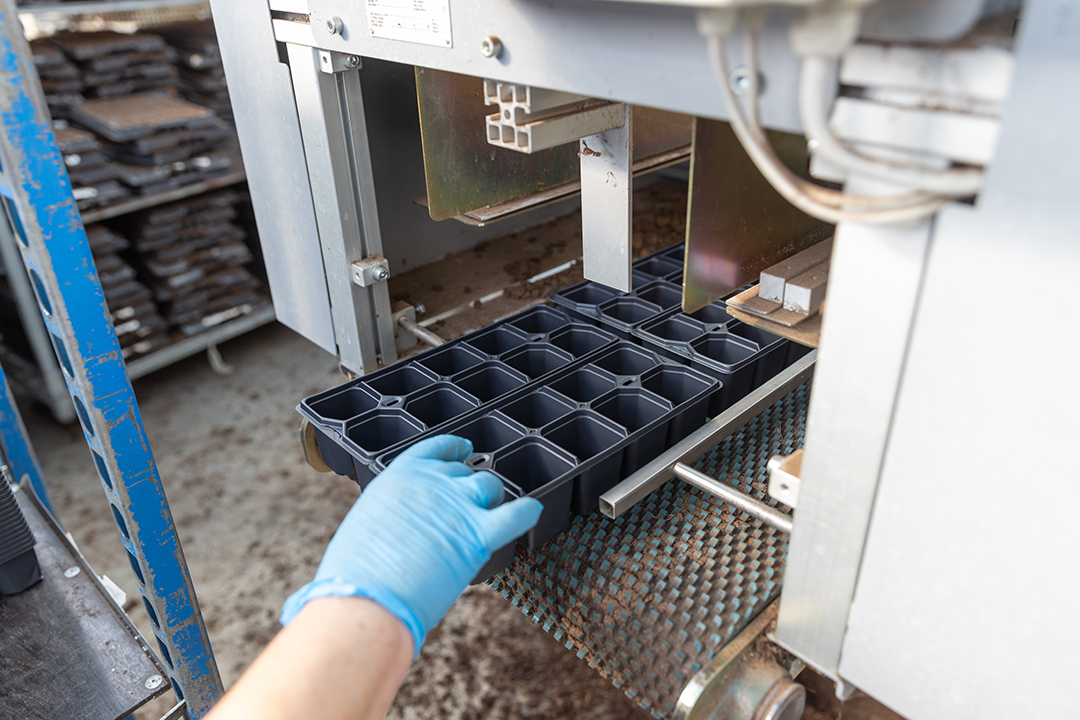
Thermoforming equipment plays a critical role in shaping plastic components across the automotive, signage, retail, and packaging industries. As production demands increase, companies often face a key decision on whether to invest in new thermoforming machinery or consider pre-owned units. Each option presents specific benefits and trade-offs, depending on factors like production scale, material types, and long-term budget planning.
Understanding the Role of Thermoforming Machinery in Modern Manufacturing
Thermoforming machines use heat and pressure to mold plastic sheets into customized shapes. This technology supports the mass production of lightweight, durable components. From shallow packaging trays to deep-draw spa shells, the range of applications is vast. As demand for precision and efficiency grows, choosing the right machine becomes vital.
Modern systems include:
- Single oven vacuum forming units.
- Dual oven models with faster heating times.
- Roll-fed automatic lines for high-volume output.
- Large-format systems capable of forming parts over 8 feet long.
Choosing between new and used machinery requires evaluating multiple production and financial variables.
When New Thermoforming Machinery Makes the Most Sense
For businesses aiming to meet high standards of precision, efficiency, and longevity, new thermoforming machines provide several advantages. These systems are typically backed by factory warranties and offer the latest in design updates and safety features.
Advantages of Buying New
Choosing a new thermoforming machine brings distinct advantages that support efficient, consistent, and scalable production. As noted in a thermoforming equipment guide, modern systems are increasingly designed with advanced features to meet evolving manufacturing demands.
- Customization: Machines can be built to meet specific production needs, including sheet size, mold depth, and heating zones.
- Longer Equipment Life: New components reduce the risk of early breakdowns or wear-related inconsistencies.
- Energy Efficiency: Modern thermoformers consume less power due to advanced heating elements and insulation techniques.
- Control Systems: Touchscreen interfaces and PLC controls offer better control over forming temperature, vacuum timing, and pressure levels.
- Regulatory Compliance: Newly manufactured systems often comply with the latest workplace safety and emission standards.
Who Benefits Most From New Equipment
While new machines require a higher initial investment, they offer long-term value for operations with specific production goals. The following types of businesses are most likely to benefit from investing in new thermoforming equipment:
- Facilities launching new production lines with long-term growth plans.
- Operations requiring large-format output or deep-draw forming.
- Industries with strict product consistency and precision demands.
- Manufacturers introducing new product SKUs that require tight quality control.
Though the upfront investment is higher, the long-term return from new machines often includes reduced maintenance costs, lower scrap rates, and greater output efficiency.
Considerations When Purchasing Used Thermoforming Machines
Used machines can offer cost savings and faster lead times. However, assessing the overall condition and compatibility with your production goals is critical. An older unit may lack some modern controls or require retrofit upgrades to meet current requirements.
Benefits of Used Machinery
For businesses aiming to control upfront costs or meet short-term needs, used thermoforming machines can offer practical advantages. Below are some of the key benefits that make pre-owned systems a viable option:
- Lower Capital Investment: Used systems are often available at 40–70% of the cost of a new unit.
- Shorter Lead Times: Immediate availability can reduce setup time, especially for temporary or seasonal operations.
- Proven Reliability: Units with documented service history provide insights into performance and maintenance needs.
- Easy Integration: Older systems can be integrated into existing operations with fewer training demands.
Risks and Limitations
Despite the advantages, purchasing used machinery comes with certain trade-offs that should be carefully considered. The following are common risks and limitations:
- Uncertain service life without detailed maintenance records.
- Compatibility issues with newer mold materials or digital systems.
- Increased repair and parts replacement costs over time.
- Potential for outdated safety and efficiency standards.
When a Used Machine Is a Good Fit
In many cases, a used thermoforming machine can still meet operational needs effectively. These situations often justify the decision to invest in pre-owned equipment:
- When companies are testing a new product line before scaling up.
- When backup machines are needed for overflow or emergency use.
- When startups with limited capital need technical support capabilities.
- When low-volume production runs with less stringent requirements are the norm.
Technical Aspects to Evaluate Before Purchasing
Before deciding between new or used equipment, it’s important to compare core technical features that directly impact performance, maintenance, and integration. The table below highlights key differences to consider:
| Specification | New Machine | Used Machine |
| Vacuum Pressure Control | Advanced digital systems | May require manual adjustment |
| Heating Element Quality | Uniform zone-controlled heating | May show signs of uneven heat wear |
| Cycle Time | Optimized for speed and precision | Dependent on component condition |
| Automation Features | Auto-feed, PLC programming, diagnostics | Limited or manual operations |
| Parts Availability | Readily available from the manufacturer | May need sourcing or custom fabrication |
Key Industry Trends Impacting Machine Selection
The rise of sustainable plastics, energy-efficiency standards, and rapid prototyping has led to changes in equipment design and usage. Manufacturers are now prioritizing machines that offer:
- Lower power consumption and faster heat-up cycles.
- Compatibility with recycled or alternative plastic materials.
- Short-run capabilities for low-volume orders.
- Scalability for automated and semi-automated operations.
Whether new or used, selecting machinery that aligns with current and future needs ensures long-term flexibility and cost-effectiveness. Innovations shaping the future of thermoforming technology continue to influence these selection criteria.
Evaluating Long-Term Value and Return on Investment
Thermoforming machinery is a capital investment with implications on cost per unit, production speed, and product quality. Decision-makers should consider the following:
- Expected Production Volume: Will the unit meet output targets efficiently?
- Material Compatibility: Can it handle current and future material types?
- Maintenance Requirements: What is the cost of upkeep over 5–10 years?
- Resale Value: Will the unit retain value in case of future upgrades?
- Operator Skill Requirements: Will current staff need training?
Financial models such as Total Cost of Ownership (TCO) or Payback Period analysis can help compare used and new options more accurately.
Choosing the Right Thermoforming Partner
Beyond machine specifications, supplier support plays a key role. Whether purchasing new or used, buyers should work with manufacturers that offer:
- Responsive technical support;
- Customizable configuration options;
- Comprehensive documentation and training;
- Flexible financing or leasing options; and
- A strong track record in delivering solutions to your industry.
Why Manufacturers Trust Belovac
With over three decades of experience, Belovac has become a leading source of thermoforming and vacuum forming technology across North America. Offering everything from entry-level units to advanced automated machines, Belovac delivers customizable equipment designed to support both short-run and large-scale manufacturing.
Belovac machines are made in the USA and tailored to client specifications. Our catalog includes:
- Budget-friendly BV C-Class short-run machines.
- High-capacity BV E-Class manual thermoformers.
- Fully automated BV A-Class roll-fed systems.
- Industrial drying ovens for pre-forming material prep.
- Custom-built solutions for signage, spas, RV panels, and more.
Belovac offers dependable thermoforming solutions for both new and used equipment, built to meet modern production needs with expert support.
To learn more or receive a tailored recommendation, contact our team and request a quote based on your production requirements.
