
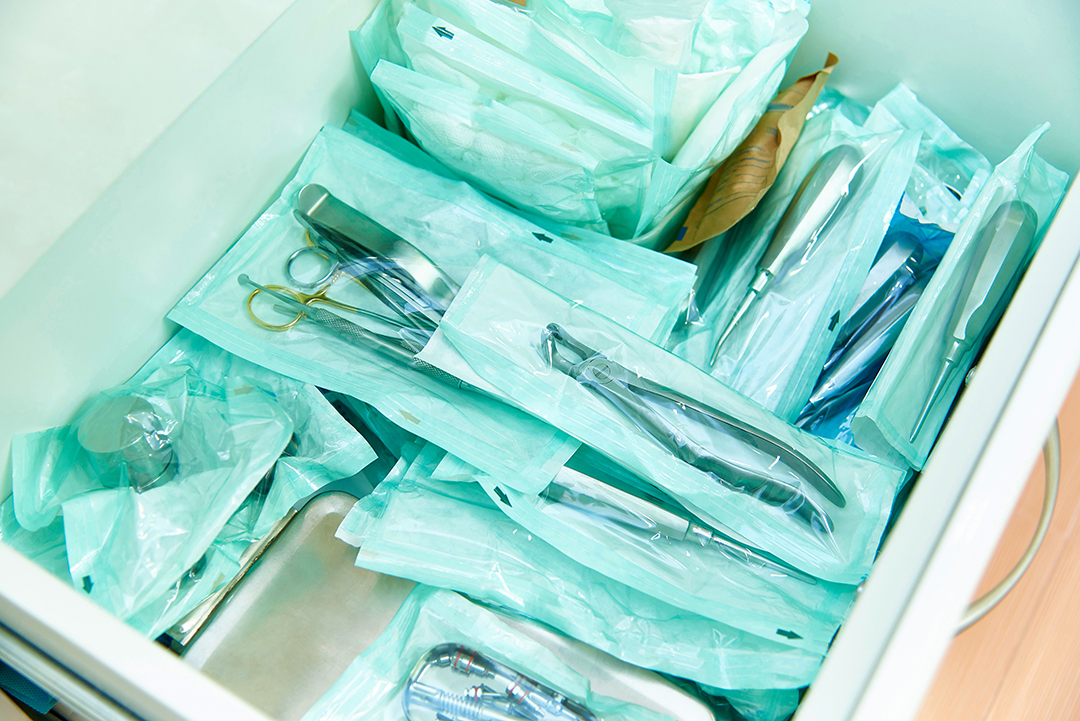
In healthcare, sterile packaging is not just about containment — it is a life-critical safeguard that ensures medical devices, pharmaceuticals, and diagnostic tools remain sterile until the point of use. The sterile barrier system (SBS) is at the core of this responsibility. Defined as the protective system that prevents microorganism ingress and maintains sterility, SBS design and validation are central to patient safety and regulatory compliance. Without reliable sterile barriers, even the most advanced medical devices or drugs would fail to meet essential safety requirements.
This article explores sterile barrier systems in detail — what they are, why they matter, how they are regulated, and where the industry is headed. We’ll cover packaging types, materials, sterilization compatibility, testing methods, and global standards that govern the performance of SBS in healthcare.
Why Are Sterile Barrier Systems Essential in Healthcare?
The sterile barrier system provides the final protective layer between a medical product and its external environment. Its role is to ensure sterility is maintained through manufacturing, sterilization, transport, storage, and distribution until the package is opened by the end user. Without a validated SBS, contamination risks increase dramatically, compromising patient safety.
For medical devices, SBS ensures surgical instruments, implants, and disposables remain sterile during long supply chain journeys. For pharmaceuticals, barrier systems protect injectables, vaccines, and biologics from bacteria and environmental factors. A single breach in packaging integrity can render an entire batch unusable, highlighting the high stakes of SBS design and validation.
What Types of Sterile Barrier Systems Are Used in Medical Packaging?
SBS solutions vary based on the product type, sterilization method, and regulatory requirements. They generally fall into three broad categories: flexible, rigid, and combination systems.
How Do Flexible SBS Work?
Flexible sterile barriers include pouches, wraps, and lidded blister packs. Materials such as Tyvek and medical-grade paper are popular because they allow sterilizing agents like ethylene oxide (EtO) or steam to penetrate while maintaining a strong microbial barrier after sterilization. Flexible SBS are lightweight, cost-effective, and adaptable for a wide range of devices.
Why Are Rigid SBS Important?
Rigid systems, typically thermoformed trays with sealed lids, are used for high-value devices such as implants, surgical kits, or diagnostic instruments. These provide structural support that protects delicate components from mechanical damage during transport. PETG and polycarbonate are common materials because they withstand sterilization processes while offering strength and transparency.
When Are Hybrid Systems Used?
Hybrid systems combine flexible and rigid elements — for example, a thermoformed tray sealed with a Tyvek lid. This approach balances mechanical protection with sterilant permeability, making hybrid SBS one of the most widely adopted formats in medical device packaging.
Which Materials Are Commonly Used in Sterile Barrier Systems?
Material choice is critical because SBS must balance sterility, strength, compatibility with sterilization, and usability in clinical environments. Common materials include:
- Tyvek: Highly breathable, puncture-resistant, and widely used for EtO sterilization.
- Medical-Grade Paper: Cost-effective, suitable for steam sterilization, though less durable.
- PETG (Polyethylene Terephthalate Glycol): Transparent and durable, ideal for rigid trays.
- Polypropylene (PP): Versatile polymer compatible with multiple sterilization methods.
- Polycarbonate: Provides high strength for rigid applications.
How Does Sterilization Affect SBS Design?
The SBS must maintain integrity through sterilization processes, each of which places unique demands on packaging materials and seals. Selecting compatible materials ensures the SBS performs as intended.
Which Sterilization Methods Are Most Relevant?
- Ethylene Oxide (EtO): Requires breathable materials such as Tyvek or paper; widely used for heat-sensitive devices.
- Steam (Autoclave): Demands high heat and moisture resistance; suitable for certain papers and polymers.
- Gamma Irradiation: Penetrates deeply but can degrade plastics like PVC over time.
- Electron Beam (E-Beam): A faster alternative to gamma; compatible with radiation-resistant plastics.
Designers must ensure seals, adhesives, and materials remain stable during sterilization while still providing reliable barriers post-process.
What Global Standards Govern Sterile Barrier Systems?
SBS design and validation are heavily regulated to protect patients and standardize performance across the industry. Key regulations include:
- ISO 11607: The primary international standard for packaging terminally sterilized medical devices. Covers material selection, design, and validation requirements.
- FDA Regulations (21 CFR): U.S. framework ensuring packaging maintains sterility and product safety.
- EU MDR (Medical Device Regulation): Requires strict documentation, labeling, and packaging validation for CE-marked devices.
- ASTM Standards: Define testing methods for seal strength, burst resistance, and microbial barrier effectiveness.
Compliance is not optional; failing SBS validation can delay product launches, increase liability, and risk regulatory rejection in global markets.
How Are Sterile Barrier Systems Tested and Validated?
Testing ensures that SBS perform reliably under storage, transportation, and clinical use. Validation is required by ISO 11607 and FDA guidelines, and it typically includes mechanical, microbial, and accelerated aging studies.
What Testing Methods Are Used?
- Seal Strength Testing: Measures bond integrity between lid and tray or pouch edges.
- Bubble and Dye Tests: Detect leaks or pinholes in seals and materials.
- Burst Testing: Evaluates pressure resistance of sealed packages.
- Transit Testing: Simulates shipping vibrations, drops, and compression.
- Aging Studies: Validate shelf life and long-term integrity.
These tests verify that sterile barriers remain intact until the product is used, even after sterilization, distribution, and extended storage.
Comparing Sterile Barrier Systems
To illustrate how different SBS solutions align with various applications, the following table summarizes key attributes:
| SBS Type | Materials | Best Use Cases | Sterilization Compatibility | Cost Profile |
|---|---|---|---|---|
| Flexible Pouches | Tyvek, paper, films | Single-use devices, surgical instruments | EtO, steam, gamma | Low to moderate |
| Rigid Trays | PETG, polycarbonate | Implants, surgical kits, diagnostic devices | Gamma, e-beam, limited steam | Moderate to high |
| Hybrid Systems | Tray + Tyvek lid | High-value devices requiring dual protection | EtO, gamma, e-beam | Moderate |
What Challenges and Opportunities Exist in SBS Design?
Challenges include balancing cost pressures with regulatory demands, ensuring global compliance across multiple markets, and designing packaging that supports sustainability goals. Another challenge is usability: sterile packaging must be intuitive for clinicians to open without contaminating contents.
On the opportunity side, SBS innovation is advancing rapidly. New seal technologies, recyclable barrier materials, and smart packaging with embedded sensors are emerging. These innovations promise not only compliance but also reduced waste, better traceability, and improved clinical efficiency.
What Does the Future Hold for Sterile Barrier Systems?
The future of SBS lies in smarter, greener, and more automated solutions. Expect to see bio-based barrier materials, advanced digital tracking for supply chain integrity, and robotic packaging systems that reduce variability. Regulatory frameworks will continue to evolve, driving higher validation standards while encouraging innovation. For manufacturers, staying ahead will mean adopting flexible, compliant systems that protect patients while advancing sustainability and operational efficiency.