
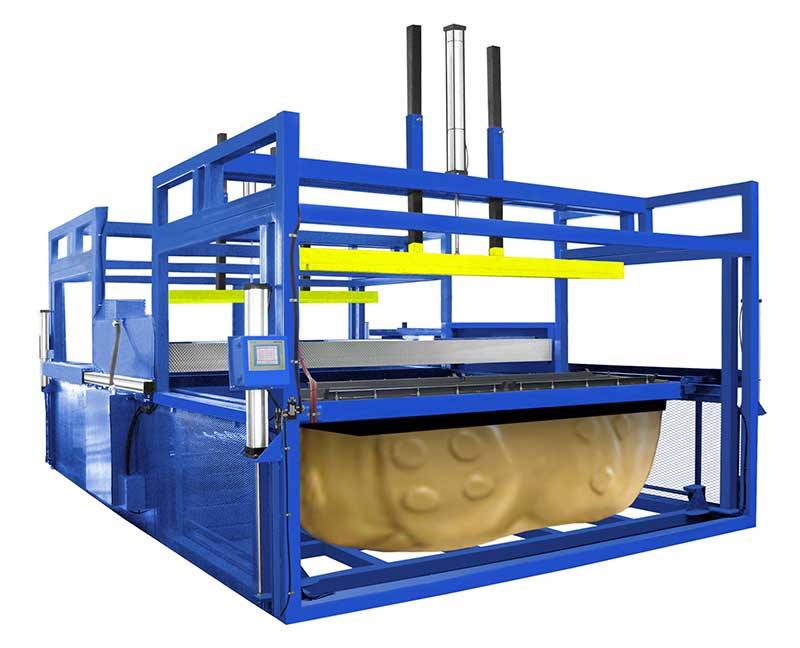
Vacuum forming is a foundational method in industrial plastic fabrication. This cost-efficient, scalable, and precise process has been shaping commercial and industrial components for decades. By applying heat to plastic sheets and pulling them over molds with vacuum pressure, manufacturers can produce parts with consistent quality, tight tolerances, and material efficiency.
Its broad appeal comes from flexibility in tooling, compatibility with numerous thermoplastics, and adaptability to both short runs and mass production. Below are ten products manufactured through vacuum forming that showcase its widespread role across sectors.
1. Medical Device Enclosures
Medical and laboratory environments require equipment with exacting standards for hygiene and durability. Vacuum forming is ideal for producing protective enclosures, panels, and covers for medical devices, imaging systems, and diagnostic tools. In this situation, vacuum forming:
- Allows for smooth, non-porous surfaces that are easy to sterilize.
- Supports custom housing designs for equipment with integrated electronics.
- Is compatible with impact-resistant materials like ABS and polycarbonate.
Applications include MRI machine panels, autoclave covers, portable diagnostic kits, and cleanroom machine components. Medical thermoforming applications continue to expand as healthcare technology advances.
2. Automotive Interior Panels
Vacuum forming plays a key role in manufacturing durable, lightweight automotive interior components. The process supports both aesthetic detailing and structural requirements, making it ideal for prototyping and production.
Common vacuum forming products for this industry include:
- Dashboard inserts;
- Door panels and armrests; and
- Headliners and trunk liners.
Thermoplastics like ABS and TPO offer the necessary blend of strength and design flexibility, while vacuum forming reduces lead times and tooling costs for model variations.
3. Packaging Trays and Clamshells
Thermoformed packaging is widely used for consumer goods, electronics, and medical supplies. Vacuum forming creates custom-fit trays, clamshells, and inserts that protect products during shipping or showcase them on retail shelves.
| Industry | Common Packaging Formed | Material Examples |
|---|---|---|
| Electronics | Clamshell blister packs | PVC, PETG |
| Medical | Sterile equipment trays | HIPS, RPET |
| Retail | Display inserts | APET, PLA |
These packaging components are often recyclable, lightweight, and customizable, making them a staple of sustainable manufacturing with vacuum forming.
4. Hot Tub Shells and Spa Panels
Large-format vacuum forming machines are engineered to form spa shells and panels with heavy gauge plastic sheets. These products require deep draw capabilities, strong material integrity, and precise mold replication.
Vacuum forming allows spa manufacturers to:
- Create ergonomic seating and contours for comfort.
- Integrate plumbing and jet placement in the forming process.
- Use weather-resistant plastics like acrylic and ABS.
These molded shells are later reinforced with fiberglass, creating a final product that is durable, water-resistant, and visually appealing.
5. Retail Display Components
Vacuum forming produces custom displays, signage backing, and product holders that improve branding and product visibility in retail environments. It allows cost-effective production of intricate shapes with vibrant surface finishes.
Typical applications include:
- Point-of-sale (POS) product holders;
- Back-lit signage backing panels; and
- Cosmetic and electronics display stands.
Retail displays benefit from lightweight construction, design versatility, and compatibility with various color and texture finishes using vacuum forming techniques. Vacuum forming for point-of-purchase displays supports the creation of visually appealing plastic components that enhance customer engagement at retail locations.
6. Skylight Domes
Architectural plastics like skylight lenses and domes are frequently produced using vacuum forming. The process supports large, clear panels that maintain uniform thickness, clarity, and impact resistance.
Features of skylight production include:
- Use of UV-resistant materials such as acrylic or polycarbonate.
- Support for both single- and double-layer domes.
- Custom sizing for industrial, residential, or commercial buildings.
Vacuum forming ensures consistent dome shape and transparency, improving light diffusion and weather resilience.
7. Aerospace Cabin Panels
Vacuum forming contributes to the aerospace industry by manufacturing non-structural interior parts such as wall panels, seat shells, and equipment covers. The process meets strict weight and fire-safety standards while enabling high-quality aesthetics.
Materials like Kydex or fire-rated ABS are commonly used due to their performance in flame, smoke, and toxicity tests. Formed parts often require tight tolerances and smooth finishes for both safety and passenger comfort.
8. Agricultural Equipment Housings
Modern farming equipment often includes vacuum-formed components such as engine covers, protective panels, and cab interior trims. These parts must be rugged, UV-resistant, and easy to clean.
Vacuum forming offers several advantages for agricultural machinery:
- Quick customization for different equipment models;
- Resistance to weather, chemicals, and impact; and
- Lower tooling costs compared to injection molding.
Large equipment panels formed from polyethylene or polycarbonate can be easily integrated into tractors, harvesters, and irrigation systems. Thermoforming in agricultural applications continues to improve efficiency and product durability.
9. Boat and RV Interior Parts
Marine and recreational vehicle manufacturers rely on vacuum forming to create interior trim components, dashboards, storage lids, and shower stalls. The technique supports parts that are water-resistant, lightweight, and easy to fabricate in low to medium volumes.
Key benefits for this industry include:
- Ease of customization for layout-specific components;
- Support for gel-coating or texture finishing; and
- Forming of large parts with minimal seams.
Manufacturers prefer this process for its adaptability and reliability in outdoor and mobile environments.
10. Industrial Equipment Guards and Covers
Many factory and warehouse machines require safety enclosures, control panel shields, and dust covers. Vacuum forming enables fast production of custom-fit protective components that reduce risk and improve workplace cleanliness.
These guards are typically made from:
- Polycarbonate for impact resistance and visibility.
- ABS for durability in harsh conditions.
- HDPE for chemical resistance and ease of cleaning.
Vacuum forming is especially valuable when creating large covers with detailed geometries and low part counts.
Scalable Equipment for Manufacturing Vacuum Forming Products
Businesses looking to integrate or scale vacuum forming production can rely on Belovac for proven solutions. With over 30 years of experience, Belovac designs and manufactures vacuum forming machines built to match specific industrial needs. Whether you’re creating small medical parts or large-format spa shells, Belovac has the expertise and equipment to support your operation.
Belovac offers:
- Entry-level to fully automated forming systems
- Custom-built solutions for large or short-run production
- Heavy-gauge vacuum forming capability
- Integrated drying ovens for pre-forming material prep
From manual setups to advanced PLC-controlled systems, Belovac helps manufacturers improve efficiency, reduce costs, and maintain quality. All machines are proudly built in the USA and supported by expert engineering guidance for each project.
Contact us today to discuss your project and request a custom quote.