
Thermoforming is a reliable and widely used method for shaping plastic in modern manufacturing. Although it has been around for decades, it continues to evolve with new advancements and growing demand. One of its most important applications today is in packaging.
Thermoform packaging is known for being lightweight, strong, and easy to customize. It’s used in many industries, including
food service, healthcare, aerospace, and automotive. The process allows manufacturers to create packaging that protects products, improves shelf life, and looks clean and professional.
This is made possible through the use of thermoformer machines and thermoform plastic sheets. These two elements work together to form plastic into specific shapes with precision and consistency. They help control the quality and speed of production, while also keeping material use efficient.
What Is Thermoform Packaging?
Thermoform packaging is a type of plastic packaging formed by heating a flat sheet of plastic until it becomes pliable, then shaping it over a mold using pressure, vacuum, or both. Once cooled, the formed plastic retains its shape and is trimmed into the final product. This packaging method is commonly used to produce:
- Clamshell containers
- Blister packs
- Trays for food and medical devices
- Insert molds for electronic components
Due to its scalability and cost-efficiency, thermoform packaging has become a go-to solution for both high-volume operations and short-run custom applications. It offers excellent product visibility, protection, and shelf appeal—all while using fewer raw materials than many other rigid packaging methods.
The Function of Thermoformer Machines
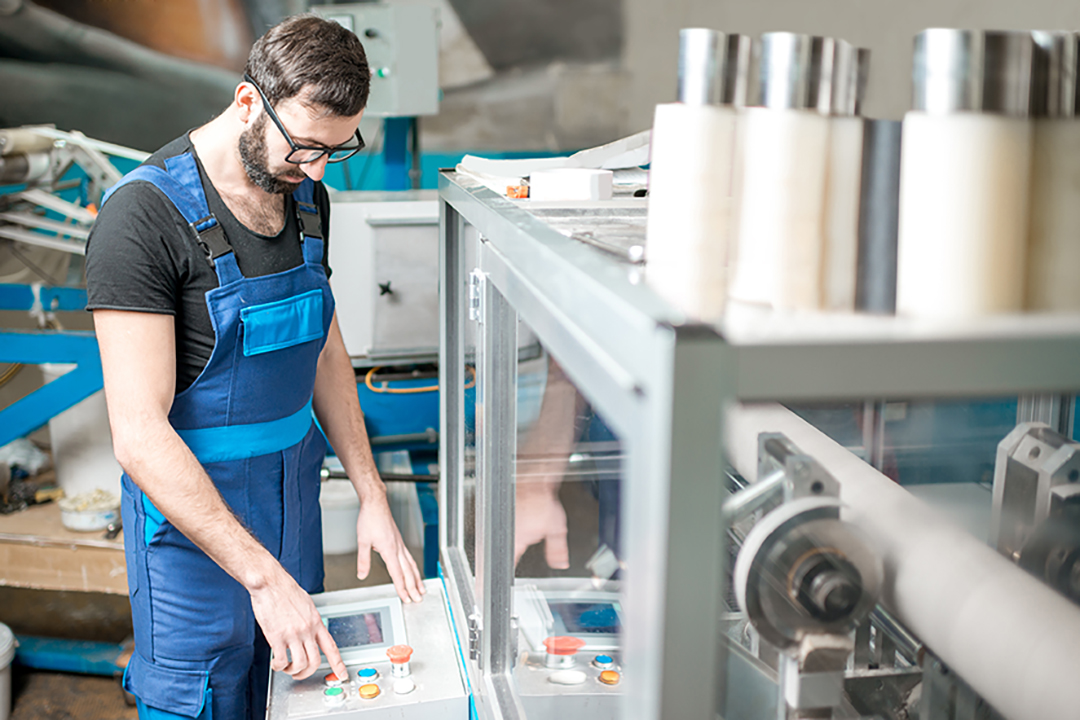
A thermoformer machine is the core equipment used to transform flat plastic sheets into formed packaging. The machine performs a sequence of operations that include heating, forming, cooling, and trimming. Depending on the production requirements, thermoformers can be configured as:
- Manual sheet-fed systems – Suitable for small batches and prototyping.
- Semi-automatic systems – For medium-scale, flexible production.
- Fully automated roll-fed systems – Designed for high-speed, large-volume manufacturing.
Modern machines include programmable logic controllers (PLC), digital temperature control, zone-specific heating, and modular tooling systems to increase efficiency and repeatability. These features allow manufacturers to produce packaging with complex shapes, tight tolerances, and consistent quality.
Types of Thermoform Plastic Sheets
The plastic sheets used in thermoforming are selected based on the product’s application, required durability, and environmental considerations. Common materials include:
| Material | Key Properties | Common Uses |
|---|---|---|
| PET (Polyethylene Terephthalate) | Clear, strong, recyclable | Food containers, clamshells |
| HIPS (High Impact Polystyrene) | Lightweight, printable, low-cost | Trays, inserts, blister packaging |
| PP (Polypropylene) | Heat resistant, chemical resistant | Microwaveable trays, medical packs |
| ABS (Acrylonitrile Butadiene Styrene) | Tough, impact-resistant | Automotive panels, durable enclosures |
| PVC (Polyvinyl Chloride) | Transparent, form-stable | Pharmaceutical blister packs |
These sheets are typically supplied in rolls or pre-cut sizes, depending on the forming equipment. Uniform sheet thickness, moisture content, and temperature response are critical to ensure high-quality parts.
How Thick Should Plastic Be for Vacuum Forming
Understanding how thick should plastic be for vacuum forming is essential for achieving quality results and avoiding production issues. The ideal thickness depends on the part’s size, depth of draw, structural requirements, and intended application. Most vacuum forming projects use plastic sheets ranging from 0.020 inches (0.5 mm) to 0.250 inches (6.35 mm), though heavy-gauge applications can go even thicker.
Thin-gauge sheets between 0.020 and 0.060 inches are typically used for packaging applications such as blister packs, clamshells, and food trays where clarity and light weight are priorities. Medium-gauge sheets from 0.060 to 0.125 inches work well for parts requiring more rigidity, such as equipment housings and medical device trays. Heavy-gauge materials over 0.125 inches are chosen for durable components like automotive panels, machine guards, and industrial enclosures. When determining how thick should plastic be for vacuum forming, manufacturers must also consider the draw ratio—the relationship between the mold depth and the part’s width. Deeper draws typically require thicker starting material to prevent thinning in critical areas and maintain structural integrity throughout the formed part.
Why Manufacturers Choose Thermoforming
Thermoforming offers a practical and scalable alternative to other plastic forming methods. Its simplicity, speed, and lower investment requirements make it a preferred choice for many manufacturers, especially those looking for flexibility in design and production.
- Lower tooling costs: Ideal for prototyping or frequent design changes.
- Faster setup times: reduced downtime and higher output.
- Design flexibility: Supports deep draws, undercuts, and texture patterns.
- Material efficiency: Optimized sheet usage with minimal waste.
Thermoformer machines also use less energy per unit produced, lowering operating costs over time. With automation and modern control systems, they help streamline production while reducing manual labor.
Applications Across Industries
Thermoform packaging is used in many sectors because it can be tailored to fit specific products while offering protection and a professional appearance. Its versatility supports both high-volume needs and small batch runs.
- Medical: Sterile trays, component holders, and packaging for diagnostic tools
- Food: Bakery trays, meat containers, and tamper-resistant packaging
- Consumer Electronics: Molded inserts and anti-static clamshells
- Industrial: Shipping trays, tool organizers, and equipment housings
- Automotive: Interior panels, battery covers, and protective linings
Thermoform plastic sheets can be shaped into nearly any form, offering strong protection from contamination, impact, and heat while keeping the product visible and accessible.
Customization Through Equipment Innovation
Advances in equipment design have opened new possibilities for packaging manufacturers. Features such as zone heating, dual ovens, and precision vacuum control make it possible to form complex shapes while keeping wall thickness consistent and the final product structurally sound.
For operations that produce multiple product sizes or small batch runs, modular machines offer flexibility with quick tooling changes. Automation options, including robotic stacking, inline trimming, and conveyor systems, help boost output while reducing the need for manual labor.
Drying ovens also play an important role in thermoforming setups, especially when processing materials like PET or nylon that absorb moisture. Proper pre-drying helps prevent bubbles, warping, and surface flaws, which is essential for maintaining high quality in demanding applications.
Scalability for Growing Manufacturing Needs
Thermoform packaging systems scale well with growing production demands. Entry-level systems are often used by small businesses and startups, while advanced inline systems are deployed in global packaging plants. The ability to grow from a simple manual setup to a fully automated line without changing forming principles helps protect equipment investments long-term.
Scalability also comes from the choice of plastic sheet sizes, machine bed dimensions, and forming depths. Whether making small clamshell packs or large industrial trays, manufacturers can configure systems to match output needs and available space.
Building Smarter Manufacturing Systems with Belovac
With more than 30 years of industry experience, Belovac is a trusted manufacturer of custom thermoforming and vacuum forming machines in the United States. From small operations to high-volume production facilities, Belovac delivers reliable, American-made solutions tailored to meet specific manufacturing needs.
Belovac offers a full range of equipment and services, including:
- BV C-Class: Cost-effective vacuum forming machines for short-run and modular applications.
- BV E-Class: Manual sheet-fed machines built for forming heavy-gauge materials with dual heat zones.
- BV A-Class: Fully automated, high-efficiency systems with auto sheet-fed and roll-fed options.
- Large-format vacuum formers: Designed for applications like signage, spas, skylights, RVs, boats, and automotive panels.
- Industrial drying ovens: Built for pre-drying plastics to prevent defects and improve part consistency.
- Custom-built configurations: Machines tailored to unique sizes, shapes, and production needs.
Companies using thermoform packaging gain long-term value from Belovac’s focus on machine flexibility, precision, and consistent output. Whether the goal is to reduce costs, expand product lines, or improve efficiency, Belovac is ready to help.
Discover the Benefits of Belovac’s Vacuum Forming Solutions
As a trusted thermoforming machine manufacturer, Belovac offers reliable, American-made machines ideal for the Aircraft Seating sector. Their 30+ years of expertise ensures clients receive tailored, innovative solutions.
Contact our team today to learn more or request a quote tailored to your production goals.