Manufacturing businesses seeking to invest in automatic plastic thermoforming equipment face a complex pricing landscape influenced by numerous technical and operational factors. According to a global market report on automated vacuum thermoforming machines, the market was valued at approximately USD 1.2 billion in 2023 and is projected to reach around USD 2.5 billion by 2032, underscoring the rising demand for automated production solutions. Understanding what drives automatic plastic thermoforming machine prices enables manufacturers to make informed purchasing decisions and optimize their production investments.
Machine Specifications and Technical Features
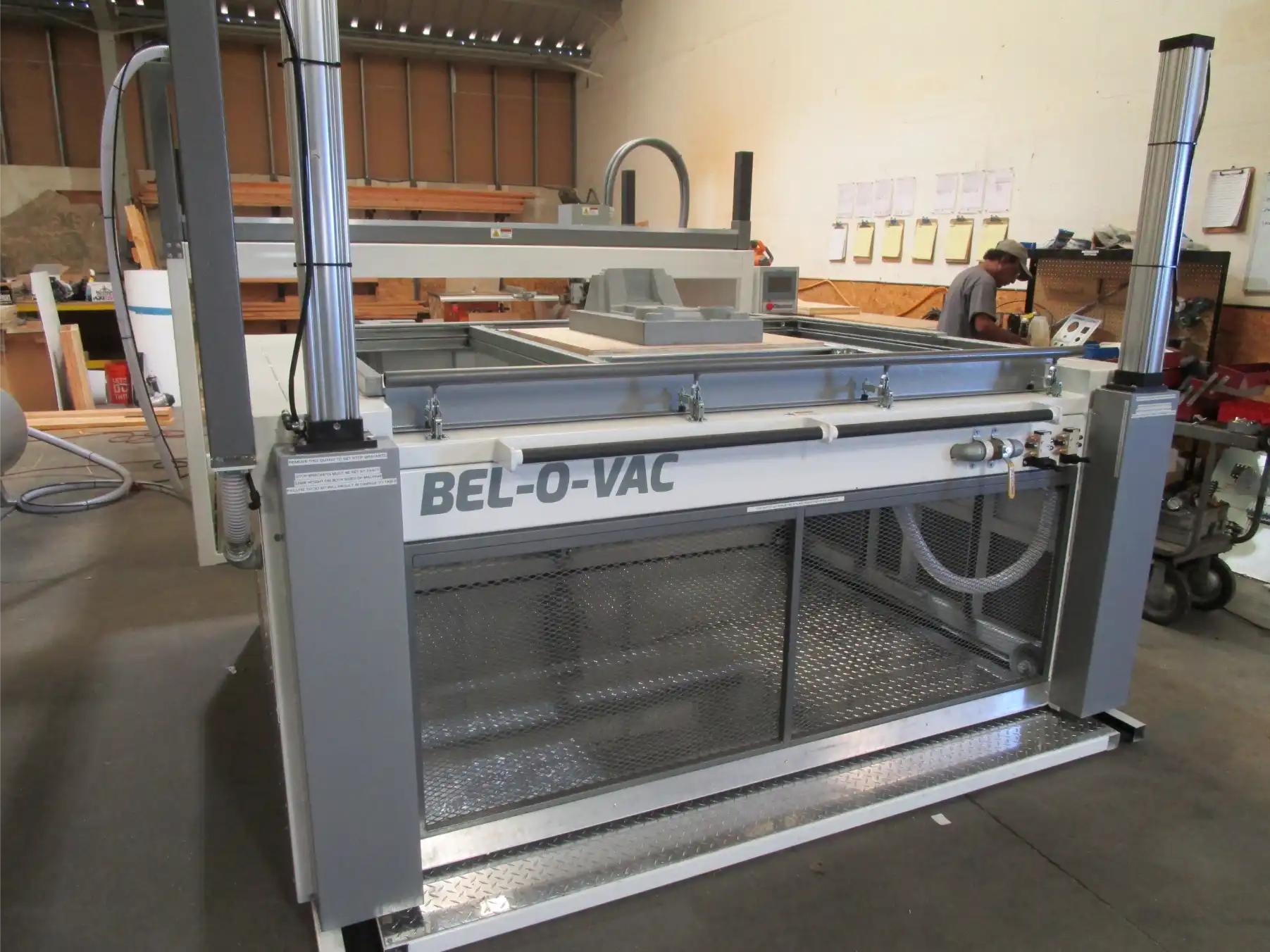
The technical specifications of automatic plastic thermoforming machines represent the most significant factor in determining equipment costs. Production capacity directly impacts automatic plastic thermoforming machine prices, with higher throughput systems commanding premium pricing. Machines capable of processing multiple sheets simultaneously or operating at higher cycle rates require more sophisticated engineering and components.
Heating system design plays a substantial role in pricing structures. Advanced zoned heating systems with precise temperature control capabilities increase manufacturing costs but provide superior material processing flexibility. Dual-oven configurations offer enhanced heat saturation and reduced cycle times, particularly beneficial for large-format thermoforming applications or complex forming requirements.
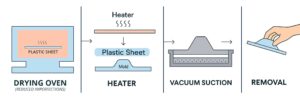
Control system sophistication affects automatic plastic thermoforming machine wholesale prices significantly. PLC-based automation systems with user-friendly interfaces, recipe storage capabilities, and process monitoring features add considerable value but increase initial investment requirements. These systems reduce labor costs and improve production consistency over time.
Size and Format Considerations
Machine size directly correlates with equipment pricing, as larger format systems require more robust construction and increased material consumption during manufacturing. The relationship between machine size and pricing can be understood through several key factors:
| Machine Size Category | Typical Price Range | Key Features |
| Small Format (24″ x 48″) | $8,900 – $15,000 | Entry-level, manual operation, basic heating |
| Medium Format (48″ x 48″) | $13,900 – $25,000 | Enhanced capacity, dual heating options |
| Large Format (48″ x 96″) | $21,900 – $50,000 | Industrial applications, advanced controls |
| Fully Automated Systems | $50,000 – $200,000+ | PLC controls, auto-feed, integrated systems |
The forming area dimensions determine the maximum part size capabilities and influence automatic plastic thermoforming machine prices accordingly. Machines with larger forming areas require more powerful vacuum systems, larger heating elements, and strengthened structural components to maintain operational precision.
Automation Level and Integration Capabilities
The degree of automation represents a primary cost driver in automatic plastic thermoforming machine pricing. Fully automated systems with automatic sheet feeding, forming, trimming, and part removal capabilities require sophisticated mechanical systems and advanced programming. These features significantly increase manufacturing complexity and component costs.
Integration capabilities with downstream equipment influence automatic plastic thermoforming machine wholesale prices. Machines designed for seamless integration with robotic systems, conveyor networks, or packaging equipment incorporate specialized interfaces and communication protocols that add to overall system costs.
Safety systems and compliance features affect pricing structures substantially. Automated systems require comprehensive safety interlocks, emergency stopping mechanisms, and protective barriers that meet international safety standards. These requirements increase both component costs and engineering complexity.
Manufacturing Quality and Construction Standards
Build quality and construction standards significantly impact automatic plastic thermoforming machine prices. Machines constructed with high-grade materials, precision machining, and robust welding techniques command higher pricing but offer superior longevity and performance consistency.
Several key quality factors influence pricing structures:
- Frame Construction: Heavy-duty steel frames with precision welding increase structural integrity and machine lifespan.
- Heating Elements: High-quality ceramic or quartz heating elements provide consistent temperature control and energy efficiency.
- Vacuum System Components: Premium vacuum pumps and filtration systems ensure reliable operation and reduced maintenance requirements.
- Control Electronics: Industrial-grade PLCs and sensors provide precise process control and diagnostic capabilities.
- Safety Systems: Comprehensive safety interlocks, emergency stops, and protective barriers meet international safety standards.
Component selection influences both initial costs and long-term operating expenses. Premium components from established manufacturers increase upfront investment but typically provide better reliability, reduced maintenance requirements, and extended operational lifespans.
Manufacturing location affects automatic plastic thermoforming machine wholesale prices through labor costs, material availability, and quality control standards. Machines manufactured in regions with advanced manufacturing capabilities and skilled workforces generally command higher prices but offer superior quality assurance.
Market Demand and Supply Dynamics
Supply chain considerations play an increasingly important role in automatic plastic thermoforming machine pricing. Component availability, particularly for specialized automation systems and precision mechanical parts, can significantly impact manufacturing costs and delivery schedules.
Market demand patterns influence pricing strategies across the industry. Periods of high demand for automated manufacturing equipment can drive price increases, while market downturns may create opportunities for more competitive pricing structures. Understanding equipment costs and return on investment is critical during these fluctuations.
Regional market conditions affect automatic plastic thermoforming machine wholesale prices through local competition, regulatory requirements, and economic factors. Manufacturers must consider these variables when evaluating equipment investments and supplier selection.
Customization and Application-Specific Requirements
Customization requirements significantly influence automatic plastic thermoforming machine prices. Standard configurations offer the most cost-effective solutions, while specialized applications requiring unique features or modifications increase engineering costs and production complexity.
Application-specific requirements such as clean room compatibility, food-grade manufacturing certifications, or specialized material handling capabilities add to overall system costs. These modifications require additional engineering time, specialized components, and enhanced quality control procedures.
Different industries have varying requirements that affect pricing. For example, aerospace thermoforming applications demand higher precision and certification standards compared to general industrial uses, while medical packaging equipment requires specialized sanitization and validation protocols.
Tooling considerations affect total project costs beyond the base machine price. Complex part geometries or specialized material requirements may necessitate custom tooling solutions that increase overall investment requirements.
Service and Support Infrastructure
Service and support capabilities influence automatic plastic thermoforming machine wholesale prices through warranty coverage, technical support availability, and maintenance program options. Manufacturers offering comprehensive support packages typically price their equipment to reflect these added-value services.
Key service considerations that affect pricing include:
- Warranty Coverage: Extended warranty periods and comprehensive component coverage increase initial equipment costs but provide long-term value.
- Technical Support: 24/7 phone support, remote diagnostics, and on-site service availability justify premium pricing.
- Training Programs: Comprehensive operator and maintenance training ensures optimal equipment performance.
- Spare Parts Inventory: Readily available replacement parts reduce downtime and maintenance costs.
- Installation Services: Professional installation and commissioning ensure proper equipment setup and operation.
Training and commissioning services represent additional cost considerations that affect total project investments. Comprehensive operator training programs and technical support during equipment startup ensure optimal performance but add to overall project costs.
Spare parts availability and pricing structures impact long-term ownership costs. Proper maintenance planning and manufacturers with established service networks and readily available replacement parts may charge premium prices but provide superior operational support.
Technology Innovation and Future-Proofing
Technology advancement rates influence automatic plastic thermoforming machine prices through research and development investments. Manufacturers incorporating cutting-edge technologies such as advanced process monitoring, predictive maintenance capabilities, or energy-efficient systems typically command higher prices.
Future-proofing considerations affect pricing structures as manufacturers balance current capabilities with anticipated technological developments. Equipment designed with upgradeability and expansion capabilities may carry premium pricing but offer better long-term value propositions.
Energy efficiency features increasingly influence automatic plastic thermoforming machine wholesale prices as manufacturers seek to reduce operational costs and meet environmental regulations. Advanced heating systems, improved insulation, and optimized control algorithms add to initial costs but provide operational savings.
The integration of Industry 4.0 technologies and IoT connectivity features represents emerging cost factors that influence pricing structures while providing enhanced operational capabilities and data analytics.
Financing Terms and Total Cost of Ownership
Sticker price only tells part of the story. Two machines priced within a few thousand dollars of each other can carry very different total costs once financing structure, energy draw, and expected service life are factored in, which is why serious buyers evaluate automatic plastic thermoforming machine prices alongside the full ownership picture rather than the invoice alone.
Financing terms affect how a purchase fits into a production budget. Longer terms lower monthly payments but extend interest exposure, while shorter terms raise payments but reduce total interest paid over the life of the loan. Manufacturers offering financing through established partners, such as Belovac’s financing through Univest Capital, give buyers a way to spread capital equipment costs without pulling working capital out of daily operations.
Depreciation schedules factor into the real cost of ownership too. Equipment that holds its value and remains serviceable for decades offsets a higher upfront price more effectively than cheaper machines that need replacement or a major rebuild within a few years. Buyers comparing automatic plastic thermoforming machine wholesale prices should weigh expected service life and resale value alongside the initial quote, not just the number on the invoice. For manufacturers weighing purchase options, exploring available financing terms alongside machine specifications gives a clearer picture of what the equipment will actually cost over its working life.
Machine price is one input to the wider business case. For revenue and margin context, read about thermoforming business earnings and costs, and see the blueprint for starting a thermoforming company for startup budgeting.
Choosing the Right Equipment Partner
Selecting an appropriate equipment supplier requires careful evaluation of multiple factors beyond initial automatic plastic thermoforming machine prices. When comparing industrial vacuum forming machines for your business, Belovac stands out as a leading manufacturer with over 30 years of industry experience, providing manufacturers with distinct advantages:
- Entry-level systems starting at $8,900 for the BV C-Class 24″x48″ model through fully automated A-Class systems.
- Tailored machines that are designed to meet specific application requirements across multiple industries.
- PLC controls, precision engineering, and energy-efficient systems for optimal performance.
- Proven expertise in spa manufacturing, signage production, automotive applications, and large-format operations.
- Technical training, installation assistance, and ongoing maintenance support.
- Superior construction standards and reliable performance backed by three decades of manufacturing excellence.
Ready to optimize your thermoforming operations? Contact us today for a detailed quote tailored to your production needs.