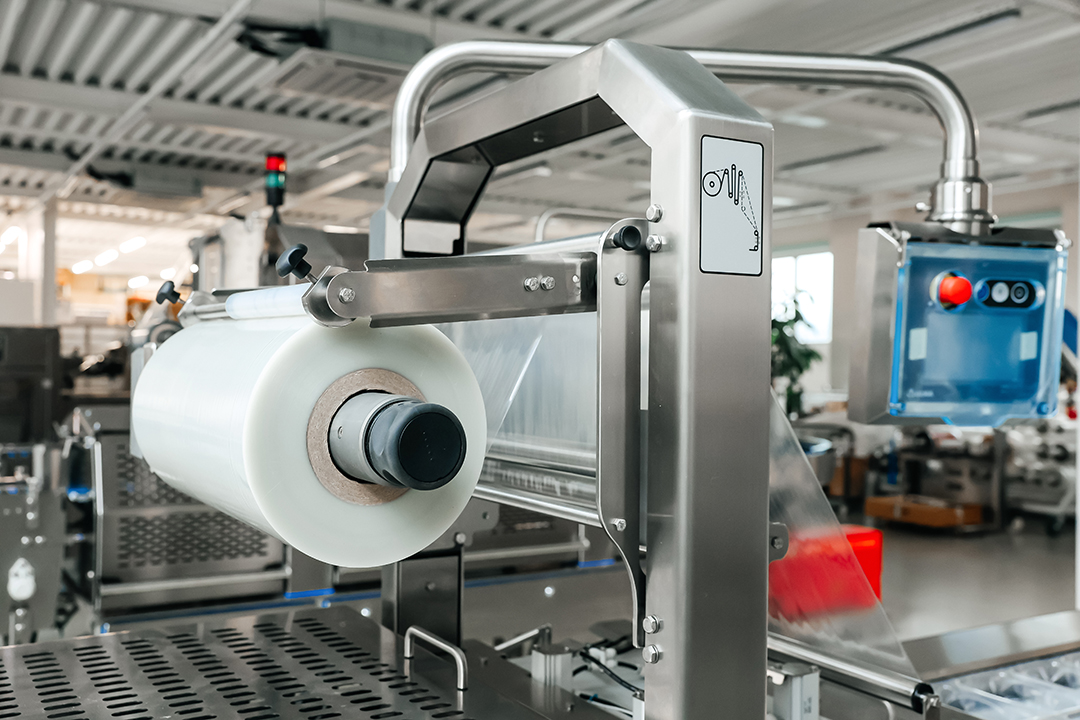
Efficient production and cost control define the success of modern thermoforming operations. As demand for custom plastic parts continues to rise, manufacturers face an important choice between outsourcing thermoforming and managing it internally. While outsourcing may appear to reduce initial expenses, in-house thermoforming provides stronger long-term value through lower operating costs, faster lead times, and improved quality control. For manufacturers serving sectors such as automotive, packaging, and medical equipment, the ability to maintain consistency and efficiency can be a major competitive advantage. Companies can explore advanced vacuum forming machines that make the transition to in-house production more accessible and cost-effective.
Understanding the True Costs of Outsourcing Thermoforming
Outsourcing thermoforming shifts manufacturing control to third-party suppliers who handle material preparation, mold setup, and forming. Although it reduces upfront capital investment, it introduces recurring expenses and hidden inefficiencies that affect profit margins.
| Cost Component | Outsourced Thermoforming | In-House Thermoforming |
| Initial Investment | Low capital cost | Higher one-time investment in thermoforming machines |
| Per Unit Cost | High due to supplier markup and logistics | Low, stable production cost per part |
| Production Lead Time | Dependent on the supplier’s schedule | Controlled internally for faster response |
| Quality Control | Limited oversight of tooling and settings | Direct control ensures precision and consistency |
| Long-Term ROI | Low due to external dependencies | High through equipment amortization and repeat production |
Transportation, packaging, and coordination costs also accumulate over time, reducing the initial savings that outsourcing might appear to provide. For high-volume or custom applications, such as medical packaging or automotive components, these costs can erode profitability significantly. Investing in large-format vacuum forming machines for in-house production can eliminate these hidden costs while delivering superior quality and control.
Key Advantages of In-House Thermoforming
Investing in in-house thermoforming gives manufacturers control over production speed, quality assurance, and scheduling. With modern large-format vacuum forming machines and automated systems, businesses can handle both short and long runs efficiently.
- Cost Stability: Once machinery and tooling are paid for, ongoing production costs become predictable, minimizing exposure to supplier pricing changes.
- Faster Prototyping: Teams can develop and test new molds internally, accelerating time-to-market for new product lines.
- Improved Quality Control: In-house engineers can oversee temperature, pressure, and vacuum parameters for consistent part quality.
- Reduced Lead Times: Eliminating outsourcing delays improves production agility for just-in-time manufacturing.
- Scalability: Modern PLC-controlled automatic thermoforming machines allow quick adaptation from prototype to mass production.
Companies that move thermoforming in-house often discover improved communication between design and production teams. This alignment reduces error rates and shortens iteration cycles, particularly for specialized parts like point-of-purchase displays and custom packaging molds.
Comparing Productivity and Efficiency Gains
When a company invests in equipment such as the BV C-Class 48 x 96 or BV E-Class 53 x 103 vacuum forming machine, it gains direct control over production variables. These machines feature rapid heating cycles, integrated trimming, and precision vacuum distribution, enabling operators to achieve repeatable results without relying on external timelines.
With an in-house system, energy and material optimization can also be achieved more effectively. For example, pairing machines with a dedicated industrial drying oven ensures consistent sheet performance while reducing waste. Internal recycling of excess plastic sheets becomes easier, improving cost efficiency and sustainability.
Hidden Drawbacks of Outsourcing Thermoforming
Many businesses underestimate the indirect costs of outsourcing. Beyond the obvious markups, outsourcing reduces the manufacturer’s ability to maintain proprietary control over tooling and design modifications.
- Loss of tooling ownership, especially when molds are stored by suppliers
- Delays caused by supplier backlogs during peak demand periods
- Inconsistent quality control across batches
- Intellectual property exposure when sharing design files externally
- Higher shipping and material handling risks
When outsourcing, every engineering change or prototype revision requires additional coordination and cost negotiation. These repetitive expenses quickly outpace the predictable operational costs of an in-house system. For sectors that require tight tolerance standards, such as aerospace and laboratory equipment, outsourcing may also introduce compliance challenges.
How In-House Thermoforming Improves ROI
The return on investment for in-house thermoforming can be calculated through several measurable outcomes:
- Lower cost per part over time due to reduced supplier dependency
- Faster project turnaround that increases order capacity
- Decreased waste from material control and energy optimization
- Improved product consistency that reduces rework and scrap
Additionally, investing in an internal large-format production line increases flexibility for diversified product ranges. Manufacturers serving different industries can adapt quickly between forming medical trays, spa molds, and industrial housings without relying on multiple vendors. The overall effect is reduced downtime, lower shipping costs, and a faster payback period on equipment investment.
Performance Benefits of Modern Thermoforming Systems
Advanced forming technology enhances every stage of production. Systems like the BV A-Dual Station and BV C-Class 24 x 48 models combine high precision with automated control features. Integrated PLC interfaces, vacuum sensors, and digital temperature mapping ensure consistent sheet heating, preventing defects such as webbing or thinning.
Many systems now include energy-efficient features that lower operational costs while increasing throughput. Paired with efficient drying ovens and cooling controls, these machines allow companies to meet demanding production targets with fewer resources.
Strategic Value of Bringing Thermoforming In-House
Beyond direct cost savings, in-house thermoforming creates strategic benefits that strengthen competitive positioning.
- Better Confidentiality: Sensitive product designs remain secure within company facilities.
- Faster Market Adaptation: Companies can test and launch new designs without supplier delays.
- Customer Responsiveness: On-site forming capacity supports urgent or customized client orders.
- Integrated Quality Management: Real-time production feedback improves precision across batches.
- Technology Ownership: Equipment and process expertise become valuable company assets.
When combined with automated material loading and precision cooling, internal production teams can reach consistent output that rivals large-scale contract manufacturers.
Partnering with Belovac LLC for Thermoforming Equipment and Support
Belovac LLC helps manufacturers build cost-efficient thermoforming operations through state-of-the-art vacuum forming machines and custom automation systems. Their models, such as the BV E-Class and BV C-Class, offer scalable solutions for startups and large facilities alike.
- Comprehensive product range from large-format machines to compact dual stations
- Custom drying ovens and forming accessories for full in-house integration
- Expert support for diverse industries served, including automotive, aerospace, and packaging
- Easy financing and quote options for expanding production capacity
For companies looking to maximize control, reduce recurring costs, and achieve greater manufacturing independence, Belovac provides the technology and expertise to make in-house thermoforming a profitable long-term investment. Explore their complete machine lineup or contact Belovac to learn more about building a tailored thermoforming solution that fits your business goals.