
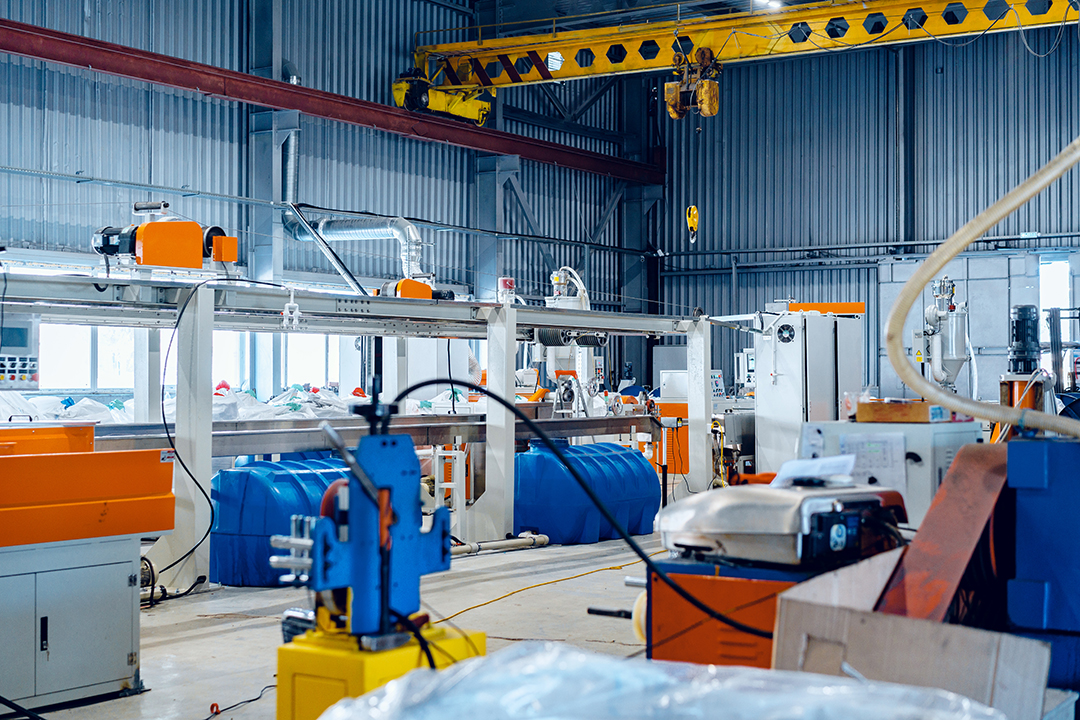
Manufacturing is experiencing a profound transformation, propelled by automation technologies that deliver unmatched efficiency, precision, and scalability. Fully automated operations in thermoforming are revolutionizing production by streamlining workflows, minimizing waste, and ensuring consistent quality across high-volume runs. By leveraging advanced controls, real-time monitoring, and data-driven insights, automated thermoforming systems enable manufacturers to meet growing market demands while reducing costs.
Industries such as automotive, packaging, medical devices, and signage benefit from these advancements, achieving higher throughput and operational flexibility. As automation continues to redefine manufacturing, its integration into thermoforming processes positions businesses to thrive in a competitive landscape.
Fundamentals of Automation in Thermoforming
Thermoforming shapes heated thermoplastic sheets into precise forms using vacuum or pressure over custom molds. Automation enhances this process through programmable logic controllers (PLCs), automated material handling, and smart sensors, enabling seamless operation from sheet loading to final trimming. Fully automated thermoforming machines, particularly those designed for large-format production, excel in high-volume environments, producing components like automotive panels, packaging trays, and medical enclosures with minimal human intervention. These systems reduce cycle times, lower labor costs, and ensure uniformity, making them indispensable for industries requiring efficient manufacturing. The ability to handle diverse materials, such as ABS, polycarbonate, and PET, further enhances their versatility, supporting a wide range of applications.
Automation also simplifies complex processes. For instance, roll-fed and sheet-fed systems streamline material delivery, while automated trimming reduces manual post-processing. This results in faster production rates and fewer errors, critical for meeting tight deadlines in high-volume production. By integrating automation, manufacturers achieve greater control over the forming process, ensuring consistent quality and scalability.
Advantages of Fully Automated Operations
Fully automated thermoforming systems deliver significant benefits for high-volume production. Automation eliminates repetitive manual tasks, such as sheet loading and mold release, reducing labor costs and human error. Advanced sensors monitor variables like temperature and material thickness in real time, preventing defects and minimizing scrap. Faster cycle times enable manufacturers to produce large quantities of parts quickly, meeting stringent deadlines without compromising quality. These systems also support scalability, allowing businesses to adjust production volumes to meet fluctuating market demands.
Key advantages include:
- Lower operational costs through reduced labor needs
- Enhanced part consistency with automated precision
- Increased production speed for high-volume runs
- Improved scalability to adapt to market changes
These benefits make automation in manufacturing a game-changer, enabling businesses to optimize resources and maintain a competitive edge in industries like automotive and packaging.
Smart Technologies for Enhanced Efficiency
Smart technologies are transforming thermoforming manufacturing efficiency through Industry 4.0 innovations. Internet of Things (IoT) devices collect data on machine performance, material usage, and energy consumption, providing actionable insights to optimize processes. Predictive maintenance algorithms analyze equipment health, identifying potential issues before they cause downtime, thus ensuring continuous production. In thermoforming, smart sensors adjust heating zones dynamically, ensuring uniform heat distribution and reducing energy waste. Data analytics also enable manufacturers to identify inefficiencies, such as excessive material use or prolonged cycle times, and implement corrective measures.
For example, cloud-based systems allow remote monitoring of production lines, enabling managers to make real-time adjustments from anywhere. These technologies reduce operational costs and enhance throughput, making automated thermoforming ideal for high-volume production. By integrating smart solutions, manufacturers achieve greater precision and efficiency, positioning themselves for long-term success.
Material Advancements in Automated Thermoforming
Advancements in materials are enhancing the efficiency of automated thermoforming. Modern systems are compatible with a wide range of thermoplastics, including recyclable options like PET and bioplastics like polylactic acid (PLA). These materials reduce environmental impact while maintaining the durability and flexibility needed for high-volume production. Automated systems optimize material usage by precisely controlling sheet thickness and minimizing trim waste, ensuring cost-effectiveness. Additionally, drying ovens with uniform heat distribution prepare materials like ABS and polycarbonate, preventing defects caused by moisture and improving part quality.
Closed-loop recycling systems are also gaining traction, allowing manufacturers to reprocess scrap into new sheets on-site. This reduces raw material costs and supports sustainability goals, aligning with regulatory requirements and customer expectations. By combining material advancements with automation, thermoforming delivers both efficiency and environmental benefits.
Applications Across Industries
Automated thermoforming serves diverse industries, delivering efficiency and scalability for high-volume production. The table below highlights key applications and their benefits:
| Industry | Application | Efficiency Benefit |
| Automotive | Interior panels, exterior components | High-speed production, consistent quality |
| Packaging | Trays, containers | Rapid output, minimal material waste |
| Medical | Device enclosures, sterile trays | Precision forming, regulatory compliance |
| Signage | Large displays, backings | Custom shapes, reduced setup time |
| Spa Manufacturing | Hot tub shells | Seamless designs, high durability |
These applications demonstrate how automation in manufacturing drives efficiency across sectors, enabling manufacturers to meet specific industry demands with precision and speed.
Overcoming Automation Challenges
Implementing fully automated thermoforming systems presents challenges, including high initial costs and integration complexities. Advanced machines require significant investment in equipment, software, and operator training, which can be a barrier for smaller manufacturers. Integrating automation with existing workflows may also disrupt production if not carefully planned. However, modular machine designs allow gradual upgrades, enabling businesses to scale automation over time. Cloud-based analytics simplify integration by providing user-friendly interfaces for process monitoring and optimization.
Another challenge is ensuring compatibility with diverse materials, as some plastics require precise heating to avoid defects. Automated systems address this through advanced sensors and real-time adjustments, ensuring consistent results. As automation technologies become more affordable and accessible, these challenges are diminishing, making fully automated thermoforming a viable solution for manufacturers of all sizes.
Sustainability Through Automation
Automation in manufacturing enhances sustainability by optimizing resource use. Automated thermoforming systems reduce material waste through precise sheet handling and trimming, minimizing scrap. Energy-efficient technologies, such as zoned heating and advanced insulation, lower power consumption compared to traditional methods. Compatibility with recyclable and bioplastic materials further supports eco-friendly production, reducing reliance on petroleum-based plastics. Closed-loop recycling systems allow manufacturers to reuse trim waste, cutting costs and environmental impact.
Additionally, automation reduces energy-intensive rework by ensuring high first-pass yield rates. By aligning with sustainability goals, automated thermoforming helps manufacturers meet regulatory requirements and appeal to environmentally conscious customers, enhancing their market position.
Future Innovations in Automated Thermoforming
The future of thermoforming is driven by innovations in automation and material science. Artificial intelligence (AI) is optimizing mold designs and predicting production outcomes, reducing trial-and-error costs. Robotics is streamlining post-forming processes, such as trimming and assembly, further reducing cycle times. Hybrid systems combining vacuum and pressure forming are expanding application possibilities, enabling more complex shapes with greater efficiency. Additionally, advancements in biodegradable plastics and closed-loop recycling are making thermoforming more sustainable, aligning with global environmental trends.
Digital twins, which are virtual models of production systems, are also emerging. They allow manufacturers to simulate processes and optimize performance before implementation. These innovations position automated thermoforming as a cornerstone of future manufacturing, enabling businesses to achieve higher efficiency and adaptability.
Why Choose Belovac for Automated Manufacturing
Belovac is a leader in automated thermoforming, delivering solutions that redefine manufacturing efficiency for high-volume production. With over 30 years of experience, their BV A-Class, E-Class, and C-Class machines are engineered for precision, scalability, and sustainability, serving industries like automotive, packaging, and medical devices. These systems combine advanced automation with user-friendly designs, enabling manufacturers to optimize production and reduce costs. Key features include:
- Advanced PLC Controls: Deliver precise automation for consistent, high-speed output.
- Energy-Efficient Heating: Reduces power usage with zoned heating and advanced insulation.
- Automated Material Handling: Streamlines sheet and roll-fed processes for faster cycles.
- Customizable Configurations: Tailored to meet specific industry requirements.
- American-Made Durability: Ensures reliable performance in demanding environments.
Manufacturers aiming to enhance thermoforming manufacturing efficiency can rely on Belovac’s innovative solutions to streamline operations and achieve sustainable growth. Contact us today to discover how their automated systems can transform your production process and request a customized quote for your business needs.