
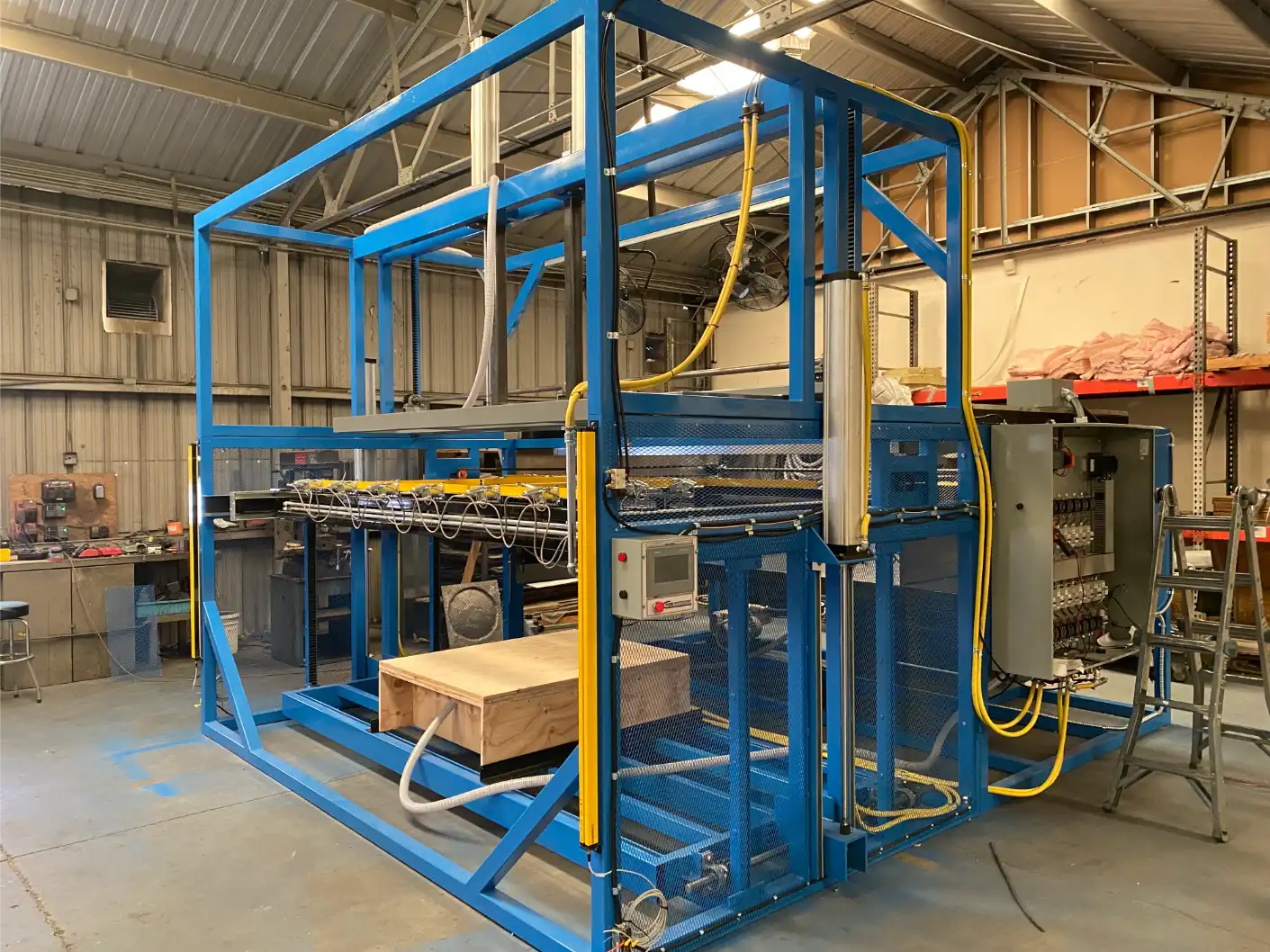
Plastic molding methods like thermoforming and injection molding are essential for producing high-quality components across industries such as automotive, packaging, aerospace, and healthcare. When comparing both, thermoforming stands out for its flexibility, cost efficiency, and faster production cycles. It is particularly effective for medium to large parts and for short to mid-volume manufacturing. Manufacturers can learn more about the process through resources on vacuum forming machines and how different molding systems support various production goals. Understanding how these two techniques differ allows teams to make smarter decisions about performance, cost, and scalability.
Understanding How Thermoforming and Injection Molding Work
Thermoforming involves heating a plastic sheet until it becomes pliable, then forming it over a mold using vacuum pressure. This method supports fast setup times, versatile design changes, and strong scalability for large parts. Manufacturers can explore different vacuum forming machines and large-format systems to better understand how various configurations handle different production requirements and material thicknesses.
Injection molding melts plastic pellets and injects them into a closed mold cavity under high pressure. While this process produces consistent, high-precision parts, it typically requires expensive tooling and longer lead times, making it less suitable for smaller production runs or rapid prototyping.
Evaluating Key Differences Between Thermoforming and Injection Molding
Choosing between thermoforming and injection molding depends on multiple production factors, including cost, design complexity, and scale. The following comparison highlights the core distinctions between these two molding methods to help manufacturers identify which process best fits their project requirements.
| Factor | Thermoforming | Injection Molding |
| Tooling Cost | Low to moderate; faster to produce molds | High; molds require precision machining |
| Production Volume | Ideal for low to medium runs | Best for high-volume production |
| Part Size | Excellent for large parts and panels | Limited by mold and press size |
| Design Flexibility | Easy to modify and adjust tooling | Changes require new mold builds |
| Lead Time | Faster setup and changeover | Longer due to complex tooling |
| Material Options | Supports a wide range of thermoplastics | Excellent for precisely engineered resins |
According to the National Institute of Standards and Technology (NIST) and the Plastics Industry Association, material selection and production scale remain the most significant deciding factors between these two molding processes. While injection molding is ideal for mass production, thermoforming allows faster product development and lower overall costs for many industrial applications.
When Thermoforming Becomes the Smarter Choice
Thermoforming is often the preferred method when manufacturers need quick prototyping, reduced tooling investment, or large, lightweight parts. It also offers greater design flexibility, allowing complex shapes to be created without costly retooling. The process supports shorter production cycles while maintaining consistent quality across varying part sizes.
Industries that commonly benefit from thermoforming include:
- Automotive parts and panels
- Spa and hot tub mold production
- Medical device packaging and trays
- Signage and retail displays
- Aerospace and transportation components
Manufacturers working with larger components often rely on large-format vacuum forming machines to improve efficiency and reduce material waste. The BV E-Class 53×103 model is designed for deep-draw, high-strength parts and delivers precise temperature control ideal for demanding industrial applications.
When Injection Molding Is the Practical Choice
Injection molding remains an efficient solution for producing smaller, highly detailed components that demand tight dimensional accuracy and complex geometries. It excels in mass production settings where the higher tooling investment is distributed across thousands or millions of identical units, achieving consistent part quality at scale.
Despite these advantages, manufacturers must weigh the total lifecycle cost and flexibility requirements. Injection mold tooling can take months to fabricate and modify, limiting responsiveness to design changes or short production runs. In contrast, thermoforming machines allow new tooling to be produced in weeks, reducing lead time and enabling faster product iteration. This adaptability makes thermoforming more practical for evolving product lines, seasonal manufacturing needs, or prototype development.
For companies focused on efficiency and quick market response, understanding how tooling speed and scalability impact return on investment is key to choosing the right manufacturing process.
Cost and Speed Advantages of Thermoforming
Thermoforming delivers a powerful balance of speed, affordability, and efficiency that injection molding often can’t match. For manufacturers focused on optimizing production costs and accelerating time to market, this process provides measurable returns across several areas:
- Lower Tooling Costs: Thermoforming molds are faster to produce and significantly less expensive to modify, making them ideal for prototype development and design adjustments.
- Faster Turnaround: Shorter lead times from design to production enable quicker response to customer demand or market changes.
- Reduced Waste: Optimized sheet utilization minimizes raw material waste and lowers overall production costs.
- Energy Efficiency: Modern systems such as the BV A-Class PLC-controlled thermoforming machine maintain precise temperature control, ensuring consistent part quality while reducing power consumption.
These combined advantages make thermoforming a scalable, cost-effective solution for companies aiming to enhance production flexibility and maximize return on investment without compromising performance or durability.
Innovations in Vacuum Molding Technology
Vacuum molding, also known as vacuum forming, has evolved significantly with automated controls and intelligent heating systems. Belovac integrates features such as dual-station operation, PLC control, and precision sheet temperature management to ensure repeatable results across every production cycle. The company’s manual dual-station units and advanced inline roll-fed machines demonstrate how automation enhances productivity while reducing operator error.
Why Partnering with Belovac Strengthens Your Thermoforming Advantage
Choosing the right manufacturing process can directly influence product success, cost efficiency, and long-term performance. With decades of expertise in vacuum forming equipment, Belovac helps manufacturers streamline production, enhance part quality, and achieve faster turnaround times. Belovac’s vacuum forming machines offer clients the following advantages:
- An extensive range of industrial vacuum forming machines and accessories
- Custom drying ovens and automation options for advanced production
- Expert guidance on thermoforming processes and machine selection
- Proven performance in real-world industrial projects and case studies
Whether your goal is to lower production costs, boost output, or improve precision, Belovac provides the technology and support to make thermoforming the smarter choice over injection molding. Contact us today to discuss your production goals and discover how advanced thermoforming solutions can elevate your manufacturing capabilities.