
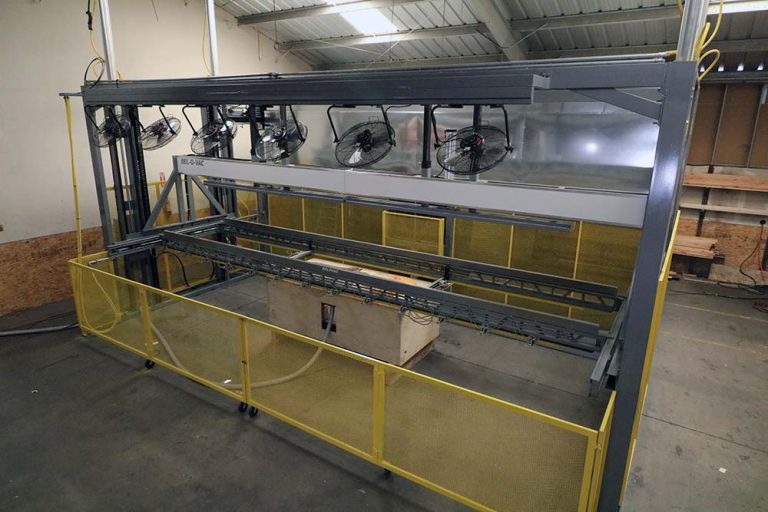
Manufacturing operations depend on production methods that deliver speed, accuracy, and predictable output. Large-scale industrial vacuum forming machines provide these advantages by heating thermoplastic sheets to a pliable state and shaping them over molds using vacuum pressure. This process produces durable components used across multiple sectors, including automotive panels, protective packaging, medical enclosures, and consumer product housings. Production teams appreciate the method’s ability to support both rapid prototyping and full-scale manufacturing while maintaining consistent quality across high volumes. As demand for faster workflows increases, vacuum forming continues to play a significant role in achieving operational goals for B2B manufacturers.
Core Principles Behind Industrial Vacuum Forming Processes
The industrial vacuum forming process starts with the preparation of thermoplastic sheets, which are secured onto a machine frame and heated through ceramic or quartz elements until softened. Once pliable, the sheet is positioned over a mold while vacuum pressure removes air from beneath, allowing the material to conform tightly to the mold’s surface. Cooling systems set the shape quickly, preserving fine detail and minimizing distortion.
Several technical factors influence forming performance:
- Zoned heating systems that regulate temperatures across different sheet areas
- Adjustable vacuum levels tailored to material thickness and part geometry
- Draft angles on molds to support smooth part release
- Integrated sensors that monitor pressure and temperature throughout the cycle
Cycle times often fall below one minute, supported by consistent heating and real-time parameter control. As a result, the process offers strong reliability for high-volume production environments.
Advantages of Large Vacuum Forming Machines in Production
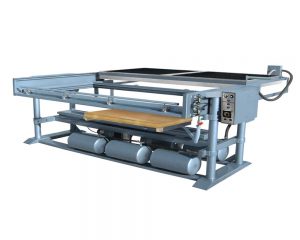
Large-scale vacuum forming machines accommodate sheet sizes that reach up to 53 by 103 inches, allowing oversized components to be formed as single units. This capability reduces assembly steps and improves structural strength in applications such as RV interiors, boat panels, and architectural displays. Modular frames further shorten setup times, enabling quick reconfiguration for different mold sizes.
Key advantages include:
- PLC automation that controls sheet feeding, heating, and part ejection
- Roll-fed configurations for uninterrupted high-volume production
- Energy-efficient infrared heating that targets specific forming zones
- Adaptability to materials ranging from acrylic to polycarbonate
- Heavy-duty construction suited for repeated heavy-gauge forming
Case data from multiple industries shows improvements in output, tolerances, and turnaround time when transitioning from smaller units to large-scale equipment.
Streamlining Costs with Advanced Industrial Molding Techniques
Cost reduction is a primary advantage of industrial vacuum forming. Tooling requirements are significantly lower than those associated with injection molding, often reducing upfront costs to a fraction of alternative processes. Molds ranging from wood and foam to aluminum support both prototypes and long production runs.
Additional cost savings emerge from:
- Recycled trim reprocessed into material streams, cutting waste by up to 30 percent
- Shorter cycle times that reduce labor hours per unit
- Energy-efficient heaters lowering operating expenses
- Automated loading systems that limit manual intervention
These efficiencies support fast ROI cycles, with mid-volume producers often seeing returns within 12 to 18 months. Reduced scrap rates and simplified maintenance further strengthen the financial benefits of vacuum forming.
Accelerating Production Cycles and Throughput Capabilities
Large-scale vacuum forming machines significantly accelerate production output. Fast heat-up times, instantaneous vacuum pull-down, and rapid cooling sequences allow cycle times to stay within 30 to 60 seconds. Roll-fed designs maintain continuous sheet movement, ideal for long runs exceeding 5,000 pieces.
| Production Feature | Impact on Throughput |
| Zoned quartz heating | Consistent forming with reduced delay |
| Roll-fed configurations | Continuous operation for long runs |
| Servo-driven automation | Precise repeatability and reduced human error |
| Multi-cavity tooling | Multiple parts produced per cycle |
These capabilities improve reliability for demanding industries such as automotive and consumer electronics, where production speed directly impacts competitiveness and delivery commitments. Organizations implementing standardized quality practices through ISO 9001 quality management systems benefit from documented process controls that ensure consistent throughput performance.
Optimizing Material Usage in Vacuum Forming Operations
Material efficiency is a core factor in the appeal of vacuum forming. Large machines equipped with precise heating zones minimize stretching and thinning, resulting in stronger parts and reduced waste. Software-optimized sheet indexing helps manufacturers maximize yield from each sheet of thermoplastic material. Benefits include:
- Scrap rates often fall below five percent
- Nested part layouts enable multiple items per sheet
- Pre-drying eliminates moisture defects such as bubbles and warping
- Vacuum control adjustments ensure even forming across deep draw geometries
These efficiencies support both environmental objectives and cost control, making vacuum forming a strategic option for large-scale operations. Testing protocols aligned with ASTM plastics standards ensure material properties meet specifications for strength, dimensional stability, and thermal performance.
Ensuring Uniform Quality Across High Volume Outputs
Uniformity in large-scale vacuum forming is achieved through calibrated cooling systems, balanced vacuum distribution, and automated clamping. These elements ensure that edges, corners, and deep draw areas maintain consistent thickness and surface finish.
- Vision systems identify defects instantly for corrective action
- Data logging ensures traceability for regulated industries
- Controlled annealing minimizes post-forming distortion
- Automated adjustments reduce rework and scrap by up to 35 percent
Across industries, acceptance rates regularly exceed 99 percent when advanced control systems are used. Consistency builds client confidence and strengthens supplier relationships through dependable output quality. Manufacturers operating under ISO 9000 family standards implement systematic quality controls that document process parameters and enable continuous improvement cycles.
Meeting Industry Standards and Regulatory Requirements
Modern vacuum forming operations align with internationally recognized quality frameworks. Manufacturers serving regulated sectors such as automotive, medical devices, and aerospace must demonstrate compliance with industry-specific requirements. Organizations implementing quality management practices benefit from structured approaches to documentation, process control, and performance evaluation.
Standards relevant to plastic manufacturing operations include guidelines for material testing, process validation, and workplace safety. The Plastics Industry Association maintains active engagement with standards development through organizations like ANSI and ISO, ensuring manufacturing equipment and processes meet evolving requirements. Safety protocols address machine operation, material handling, and environmental controls, following OSHA plastics industry standards for worker protection and hazard management.
Custom-Built Equipment for Nonstandard Requirements
Manufacturers whose part dimensions, material specifications, or production volumes fall outside standard machine configurations can review Belovac’s custom large format vacuum forming machines, which extend the same engineering principles into equipment built around a specific project’s requirements.
Belovac Solutions: Strengthening Large-Scale Vacuum Forming Performance
Belovac supports manufacturers seeking to improve efficiency, expand capacity, and strengthen part consistency through dependable large-scale vacuum forming systems. With more than 30 years of engineering experience, we provide equipment built to meet the demands of high volume and heavy gauge applications. Our forming platforms offer capabilities that align with diverse industrial requirements, including:
- Wide bed E Class platforms designed to handle large sheet dimensions for automotive, signage, and construction components
- A Class automated systems that support high volume production with PLC-controlled precision and consistent cycle management
- Custom build options that adapt forming equipment to specific material, throughput, or dimensional requirements
- Heavy-duty frames and reinforced vacuum systems that maintain accuracy across extended production schedules
- Engineered heating layouts that support stable results in both prototype and full-scale manufacturing environments
We deliver forming solutions that reduce scrap, maintain long-term reliability, and support manufacturers aiming to strengthen operational performance. For equipment configuration details or project evaluation, we encourage manufacturers to contact our engineering team or request a quote through our site.