
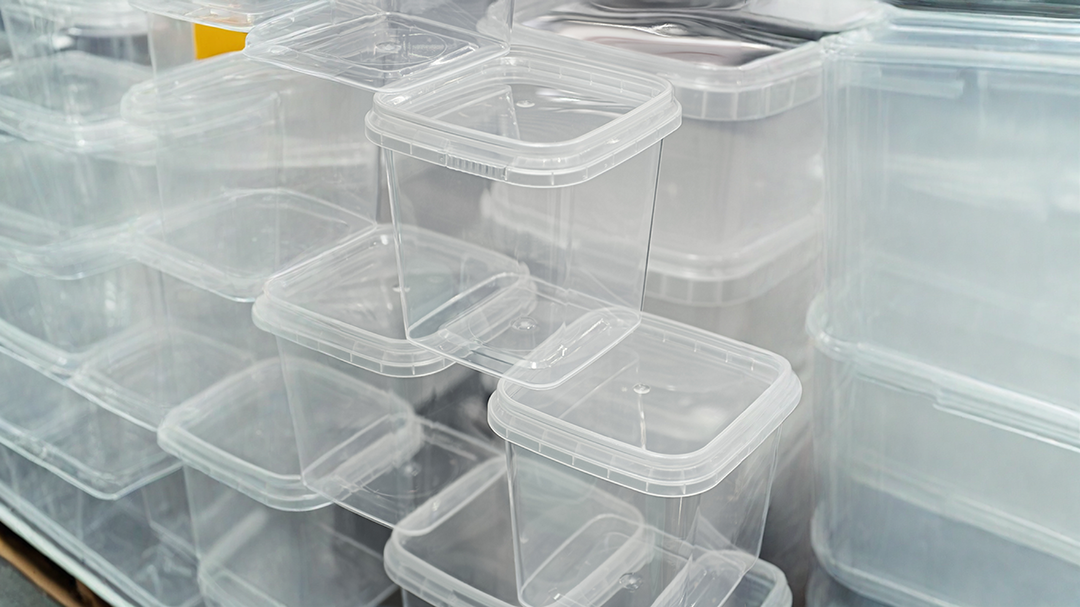
The plastic packaging surrounding everyday products is the result of a precise, heat-driven manufacturing process that goes well beyond simply pressing raw material into a mold. Every container, tray, blister pack, and custom enclosure begins as a flat thermoplastic sheet that is transformed through controlled heat, applied pressure, and engineered tooling into a three-dimensional structure.
However, different products place different demands on their packaging, from wall thickness and surface clarity to depth of draw and structural rigidity. Plastic packaging forming has developed into a discipline with several distinct techniques, each suited to specific production goals, material characteristics, and volume requirements. Understanding how these methods work gives manufacturers, packaging engineers, and procurement teams a clearer foundation from which to select the right approach.
What Plastic Packaging Forming Actually Involves
Plastic packaging forming is a category of manufacturing processes in which heat is used to soften a thermoplastic sheet, after which mechanical force, vacuum pressure, or compressed air is applied to shape the material against a mold cavity. Once the formed part cools and hardens, it retains the geometry of the mold. Excess material around the edges is trimmed, and the finished part is inspected before it advances to labeling, assembly, or shipment.
Packaging material thermoforming is the broader term that covers all heat-based plastic forming methods. It applies to thin-gauge production of food containers, disposable cups, and blister packs, as well as heavy-gauge applications that include protective transport trays, structural enclosures, and reusable packaging forms. The thermoplastic materials most commonly used each carry distinct properties relevant to packaging performance:
- PET (Polyethylene Terephthalate) — high clarity, lightweight, widely recyclable; common in food and beverage packaging
- PETG (Polyethylene Terephthalate Glycol) — stronger than standard PET, excellent impact resistance; suited to clamshell and blister packaging
- PP (Polypropylene) — chemical-resistant, heat-tolerant, and cost-effective; used across food, medical, and consumer goods packaging
- HIPS (High-Impact Polystyrene) — rigid and easy to form; common in retail display packaging and protective trays
- ABS (Acrylonitrile Butadiene Styrene) — durable and abrasion-resistant; frequently used in electronic and appliance packaging enclosures
- PVC (Polyvinyl Chloride) — versatile across thin and heavy gauge; compatible with vacuum forming and used in medical device packaging components
Material selection is always made in relation to the forming method chosen, the product being packaged, and the conditions the packaging must endure across its lifecycle.
Vacuum Forming as the Most Accessible Forming Method
Vacuum forming is widely regarded as the most straightforward plastic packaging forming method. A flat thermoplastic sheet is clamped in a frame, heated to its optimal forming temperature, and then positioned over a custom mold. Air is evacuated from between the softened sheet and the mold surface, creating negative pressure that pulls the material tightly against the mold geometry. Once the sheet conforms to the mold and cools, it is removed and trimmed to its final shape.
This method is well-suited to packaging forms that do not require extreme depth of draw or fine surface detail on both faces of the part. Common vacuum-formed packaging applications include:
- Food service trays and produce containers
- Retail clamshell and blister packaging
- Protective product inserts and shipping trays
- Display components and point-of-sale packaging
Because tooling costs are relatively low and machine operation is straightforward, vacuum forming is a preferred choice when production runs are short to medium in volume or when design prototypes need to be quickly evaluated. The draw ratio, which describes the relationship between mold depth and opening width, is a key design parameter; a high draw ratio can cause uneven wall thickness at corners and the base of deep cavities, which must be accounted for during the design stage.
Pressure Forming and the Detail It Delivers
Pressure forming builds on the foundation of vacuum forming by adding a second force: compressed air applied from the non-mold side of the heated thermoplastic sheet. While vacuum draws the material toward the mold surface, compressed air simultaneously pushes from the opposite direction, resulting in significantly greater contact pressure between the sheet and the mold. This dual-force environment causes the softened plastic to conform more precisely and completely to the mold geometry.
The increased contact pressure allows pressure-formed packaging to achieve surface detail that approaches the quality of injection-molded parts. Attainable surface and structural characteristics include:
- Fine textures and grain patterns that are transferred directly from the mold surface
- Engraved lettering and logo detail without secondary operations
- Sharp radii and well-defined edges along part perimeters
- Complex contours that require consistent material contact throughout the mold cavity
Industries that prioritize aesthetics alongside structural performance, including consumer electronics packaging, medical device enclosures, and premium retail applications, frequently rely on pressure forming. Tooling and setup costs remain considerably lower than those associated with injection molding, which positions pressure forming as a strong option when medium-volume production requires both visual quality and dimensional consistency.
Plug-Assist Forming and Wall Thickness Control
Plug-assist forming introduces a mechanical plug tool that pre-stretches the heated thermoplastic sheet before vacuum or pressure is applied. The plug, shaped to approximate the geometry of the mold cavity, is lowered into the softened sheet and pushes it into the mold before the vacuum cycle begins. This pre-stretching action distributes the plastic more evenly across the mold surface, including the corners and base of deep cavities that are most vulnerable to excessive thinning under standard vacuum forming.
A variation of this process, plug-assist pressure forming, adds compressed air on the plug side of the heated sheet while the plug is engaged. This combination of mechanical displacement and air pressure creates a highly controlled forming environment that yields consistent wall thickness alongside the fine surface detail associated with standard pressure forming. Medical device packaging, deep food service containers, and other packaging forms governed by strict dimensional tolerances are commonly produced using this technique.
Twin-Sheet Forming and Hollow-Body Packaging Structures
Twin-sheet forming is a distinct packaging material thermoforming process in which two separate thermoplastic sheets are heated simultaneously and then formed against two corresponding molds. Once each sheet has been shaped, the two molds are pressed together while the sheets are still hot, bonding them along their perimeter edges and producing a single hollow or double-walled structure. The bonded edges form a seamless perimeter, and the enclosed internal cavity can serve structural, protective, or functional purposes.
This process is well-suited to packaging forms that require internal air chambers, double-wall rigidity, or the capacity to house components within a sealed enclosure. Common twin-sheet packaging applications include:
- Hollow transport pallets and reusable shipping platforms
- Double-walled protective cases and heavy-duty equipment enclosures
- Large-format shipping containers with built-in structural integrity
- Durable industrial packaging where impact resistance and load-bearing capacity are required
The resulting structures offer a strength-to-weight ratio that is difficult to match with single-sheet thermoforming, particularly at the part sizes where twin-sheet forming is most commonly applied.
Drape Forming, Matched-Die Techniques, and Gauge Considerations
Drape forming is one of the most straightforward plastic packaging forming methods. A heated plastic sheet is positioned over a single mold, and gravity, combined with minimal applied force, allows the material to conform to the mold surface as it cools. This technique is most appropriate when gradual curves or broad, shallow contours are needed rather than tight geometric features. Drape forming requires minimal tooling investment and is often used in low-volume or prototype applications where speed and cost take priority over dimensional precision.
Matched-die thermoforming, also referred to as matched-mold forming, uses two rigid mold halves pressed against opposite faces of the heated plastic sheet simultaneously, producing a high degree of dimensional accuracy and uniform wall thickness. This technique is selected when tight tolerances or complex internal geometries are required. Beyond the forming method, gauge thickness is a defining variable across all packaging forms.
Thin-gauge thermoforming, typically involving sheets below 1.5 mm, supports high-volume production of disposable packaging such as cups, lids, and food trays. Heavy-gauge thermoforming applies sheets thicker than 3 mm and produces durable, reusable packaging components, including protective cases and structural transport trays. Gauge selection is always made in relation to the load-bearing requirements and expected service life of the finished packaging.
Belovac Has the Equipment That Powers These Processes
Every forming method covered here relies on equipment that can hold precise heat, vacuum, and pressure parameters across every production cycle. Belovac has been designing and manufacturing thermoforming machines in the United States since 1984, with configurations spanning the full range of production needs. Our offerings include:
- Manually operated single-oven systems for thermoplastics up to a quarter inch thick
- Dual-oven machines with enhanced heat saturation for heavy-gauge materials
- Fully automated, PLC-controlled sheet-fed and roll-fed thermoformers for high-volume production
- Industrial drying ovens for pre-conditioning plastic sheets before forming
Belovac engineers work directly with each customer to match the right machine to the forming method, material, and production volume the project demands. Contact us today to speak with an engineer and get a quote.